

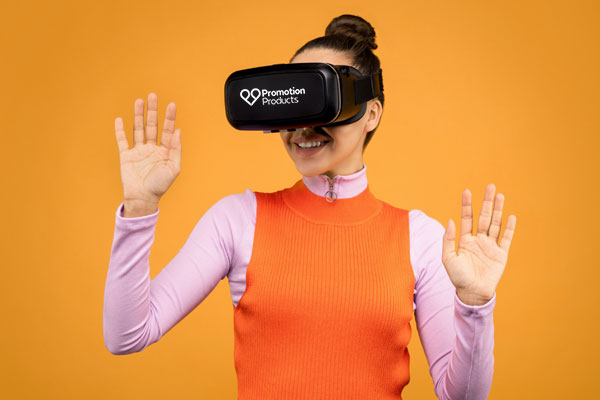
When people think of promotional products the first things that often spring to mind are branded pens or water bottles, but as more and more companies try to develop an edge over the competition, they are looking toward the future and the latest trends in digital technology and how these trends might synergise with physical promotional products.
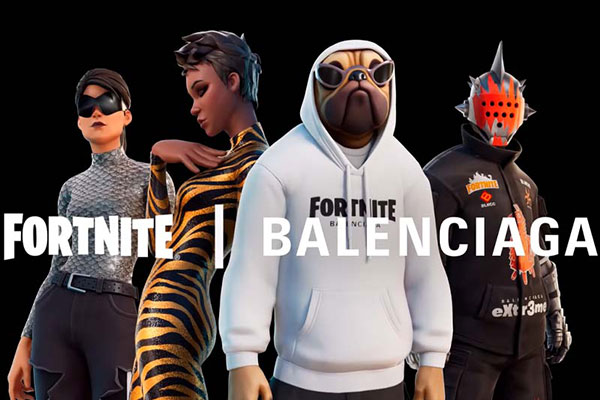
The fashion industry has begun promoting its brands using digital products, such as Balenciaga’s collaboration with the video game Fortnite to offer players in-game skins (basically digital clothing that players can wear in-game) that tie in with real-world products.
Other examples are the Gucci Garden collaboration between Gucci and Roblox, and Gucci’s virtual sneakers that can be worn in augmented reality (AR) or used on your avatar in partnered apps like Roblox and VRChat.
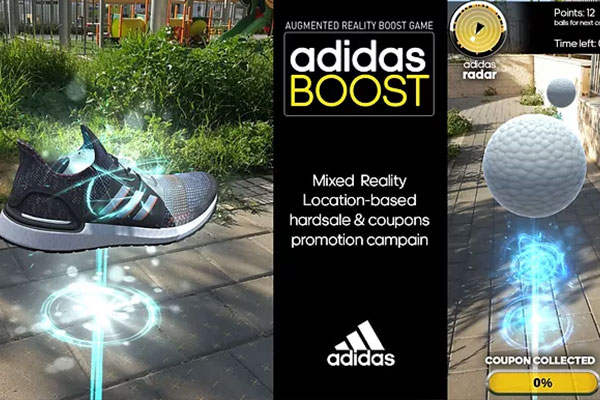
Adidas is another brand that has given future technologies a lot of thought and begun experimenting with various options such as launching an NFT collection that offers customers various physical and digital perks, AR t-shirts that have a QR code included in the print, and an AR Boost game to promote their Boost range of shoes.
Innovative ideas such as these are examples of companies taking the first steps of promoting their products in the metaverse.
What is the metaverse?
The metaverse is here, and it’s not only transforming how we see the world but how we participate in it – from the factory floor to the meeting room.
Satya Nadella, Microsoft CEO
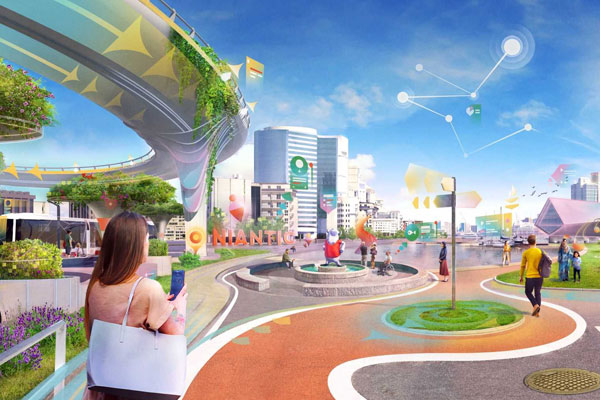
There is still no generally accepted definition of the metaverse but it could loosely be described as a digital environment that combines AR and virtual reality (VR) to merge the real world with a virtual world in which users can interact, similar to what you may have already seen in films like Ready Player One or The Matrix.
As companies try to connect with younger demographics they are having to change the way they market their products.
One way they can build relevancy with a younger target market is by considering how younger generations socialise and where they spend the majority of their spare time.
These consumers tend to be digital natives, they grew up in the internet era, and feel comfortable using digital products that previous generations may not have felt as comfortable with, such as VR devices and smartphones with AR capabilities.
It might be a smart move for companies to consider engaging with these consumers in a way they feel comfortable with.
A lot of these younger consumers have spent the majority of their lives communicating with friends and families via social media platforms such as Facebook and Instagram.
Benefits of AR and VR:
- Low barrier to entry for AR as over 90% of people already own a smartphone.
- Pokemon GO proved that consumers are ready for AR to become mainstream.
- Increases brand engagement.
- Many articles have been written on how VR increases memory and information retention. It makes sense that companies would want to use this technology to keep their brand in consumers’ minds longer.

Ways to implement AR and VR alongside a physical promotional product:
In the past, AR experiences have been app-based. Meaning that a user would have had to download an app to run an AR application. This has changed with the introduction of webAR which allows AR experiences to be launched from a user’s smartphone by scanning a QR code.
One of the most popular methods of creating an AR experience is by using an image target, which is basically an image of your choosing that when scanned with your smartphone displays a 3D digital object over the real world on your screen.
Companies can use their logo as the image target and when scanned, a 3D model of one of their latest products will be displayed on the device’s screen, enabling the user to see the product in 3D from a variety of different angles.
The 3D model could be replaced by a video demonstrating some exciting company news or a cutting-edge new product.
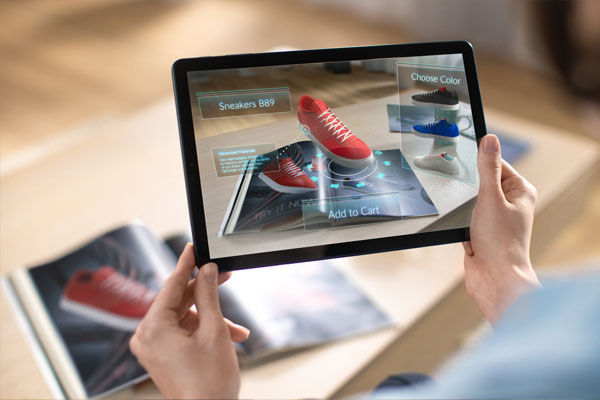
Another way of creating an AR experience is to use a 3D object target instead of an image target, this method is very similar except instead of using an image, your phone scans a real-world 3D object, such as a water bottle to trigger the AR.
VR is a trickier proposition to tie in with physical promotional products, as the user is fully immersed in the digital world due to the nature of VR headsets.
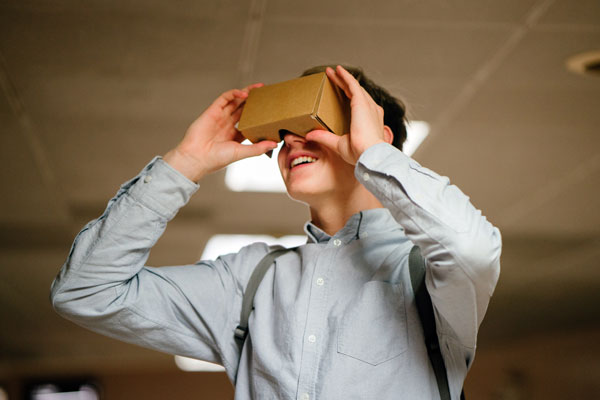
In the past, attempts were made at using smartphones as VR devices (Google Cardboard anybody?) by inserting them into a cardboard case that turned the smartphone into a VR headset itself. This enabled companies to print their own cardboard VR headsets and brand them with their company’s logo as a trendy promotional item.
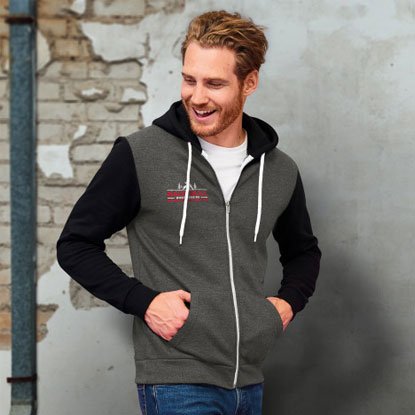
It’s important for users to be comfortable when using VR otherwise they might struggle to stay fully immersed in the virtual world, therefore promotional products such as hoodies are a good choice.
When using VR headsets it’s also important to stay hydrated, so water bottles will always be a popular promotional item for use in the metaverse. Smudges or dirt on the lenses of a VR headset will create a disconnect with the digital world resulting in a miserable user experience, so lens cleaning kits are another essential promotional product for use in the metaverse.
As VR often requires standing for periods of time, branded anti-fatigue mats are another item that companies might consider for promoting their brand in the metaverse. Another promotional item that ties in well with VR is power banks to help keep the headset from running out of battery.
The metaverse is coming. Metaverse is not only a place to game. Future worlds will be photorealistic, obey the laws of physics and be inhabited by human avatars and AI beings. We will create a future in these metaverses before actually downloading the blueprints to be fab’ed in the physical world.
Jensen Huang, Nvidia CEO
Other ways smartphone technology can enhance brand engagement:
Some companies have begun embracing the latest trends in technology to increase brand engagement by using QR codes to provide transparency about a product’s supply chain, instiling confidence in the consumer that the product is ethically sourced. Scanning these QR codes provides the consumer with information about the product.
Additionally, QR codes can provide consumers with digital coupons, it might be a good idea to think of including these when deciding on what you’d like printed on your next promotional product order.
A study by RIS has found that digital coupons have a high redemption rate of up to 50%. Making them an important marketing tool as they can be tracked and give valuable insight into consumer behaviour.
Digital events and digital promotional products
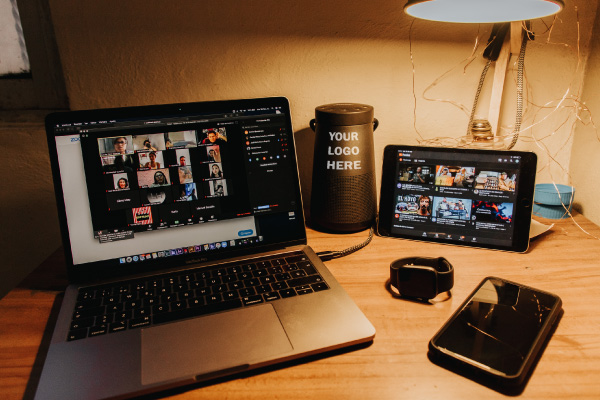
With the rise of digital events, it seems like digital promotional products will become more popular as attendees aren’t physically attending events to receive traditional promotional items.
These digital promotional products could intersect with physical products using NFTs (non-fungible tokens), that enable the NFT owner to redeem a physical promotional item.
This may also produce less wastage, making it a more sustainable option for environmentally-conscious companies(although, as NFTs are created using blockchain there is still energy used in creating them).
A QR code can also be used to direct virtual event attendees to a site where they can redeem a physical promotional product.
Given the complementary strengths of the physical and online channels, a hybrid structure is beginning to emerge as the new face of retail.
Sandip Chhettri
In summary:
Technologies such as AR and VR have previously struggled to gain mainstream adoption due to several technical barriers, such as bandwidth speeds and latency.
However, with the rollout of faster mobile networks such as 5G, and the huge sums of money being invested, it seems inevitable that these mixed reality technologies will continue to gain more and more traction, and that companies that fail to embrace them will be at a significant disadvantage to the competition.
Why not give your company a headstart by adding an AR image target or QR code when deciding on your next order of promotional products.