
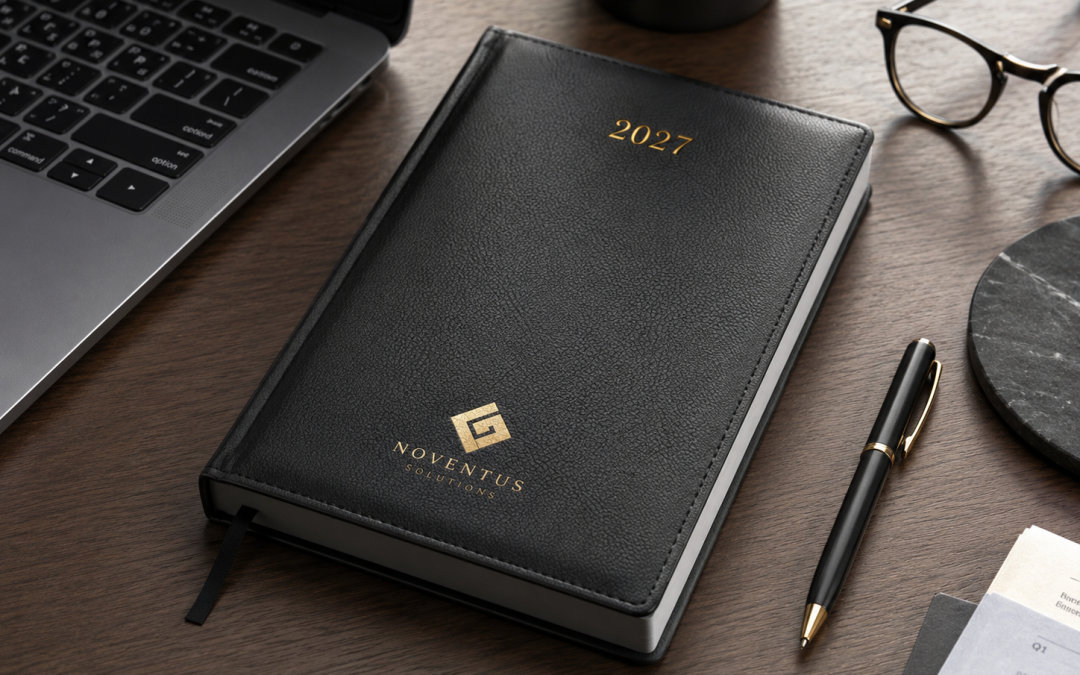
A full-year promotional merchandise strategy helps Australian businesses plan their branded product spend in advance, align merchandise with key campaigns and events, control costs through smarter ordering, and make sure every item actually serves a purpose.
If your current approach is “order something when we need it,” you’re spending more than you should, missing lead time windows, and leaving brand-building opportunities on the table. This guide walks you through how to build a 12-month merchandise plan from scratch.

Why a Yearly Merch Plan Saves Money and Stress
Reactive ordering costs more. Rush fees, expedited freight, limited product selection, and missed campaign tie-ins are all symptoms of not planning ahead.
A 12-month promotional merchandise strategy gives you:
Budget clarity. Annual planning makes it easier to forecast merchandise spend and justify it to finance or leadership.
Lower unit costs. Consolidated orders across the year mean higher quantities per line, which reduces per-unit pricing.
Better lead time management. Custom or offshore products typically need 6–10 weeks from order to delivery. Planned campaigns give you time to get it right.
On-brand consistency. When merchandise is planned alongside other marketing activity, it looks and feels like part of a campaign, not an afterthought.
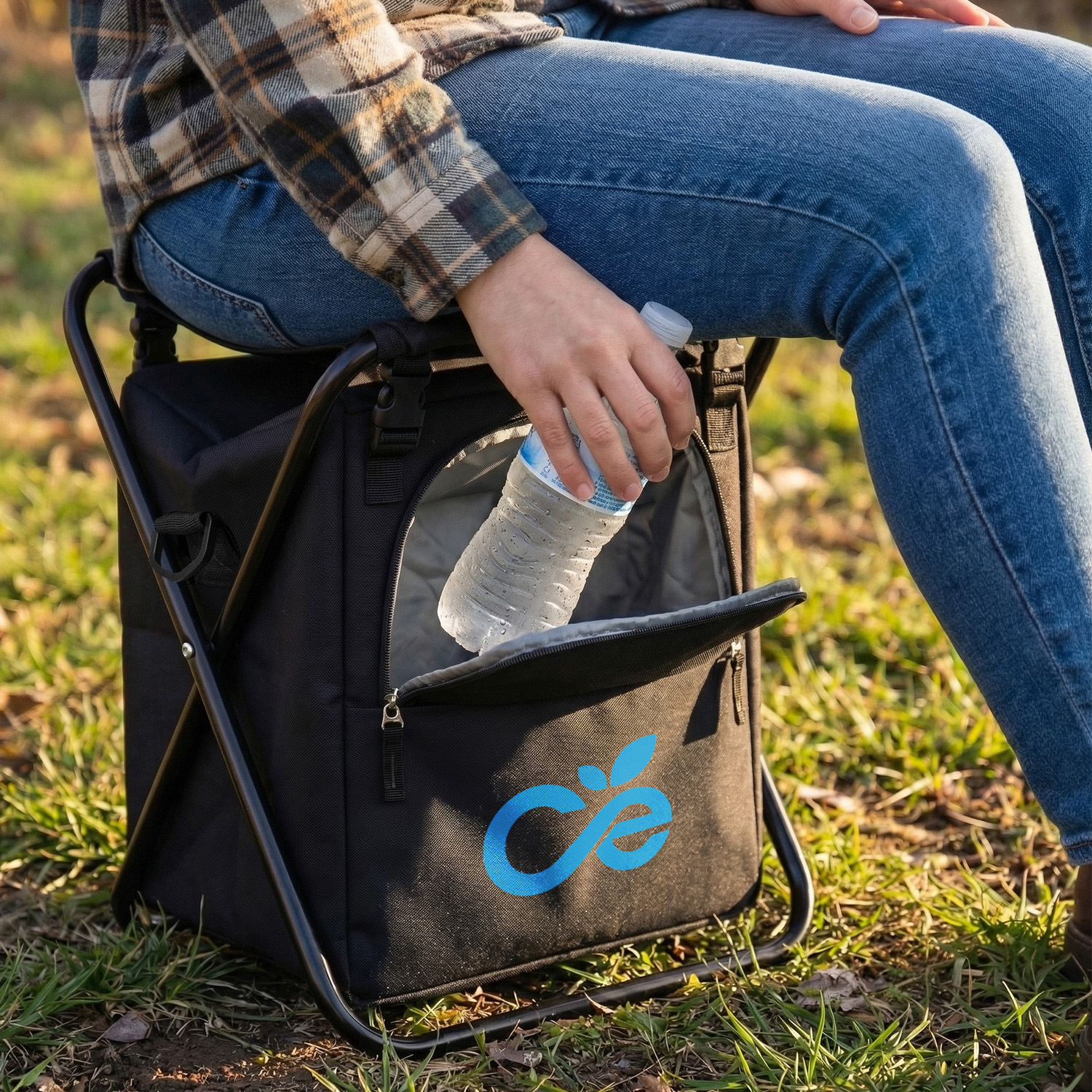
Step 1: Audit What You Ordered Last Year
Before you plan forward, look back. Pull together everything your business ordered in the last 12 months and ask:
- What was the purpose of each order? (event giveaway, staff gift, client gift, trade show, onboarding)
- Did the product match the occasion and audience?
- Were there any rush orders that could have been avoided?
- What products got the best response from recipients?
- What’s still sitting in a storage cupboard?
This audit reveals patterns: the events that always catch you off guard, the product categories that work well for your brand, and the budget that quietly disappears on last-minute orders.
If you’re new to merchandise planning and don’t have a year of orders to review, skip to Step 2 and build from your upcoming calendar instead.
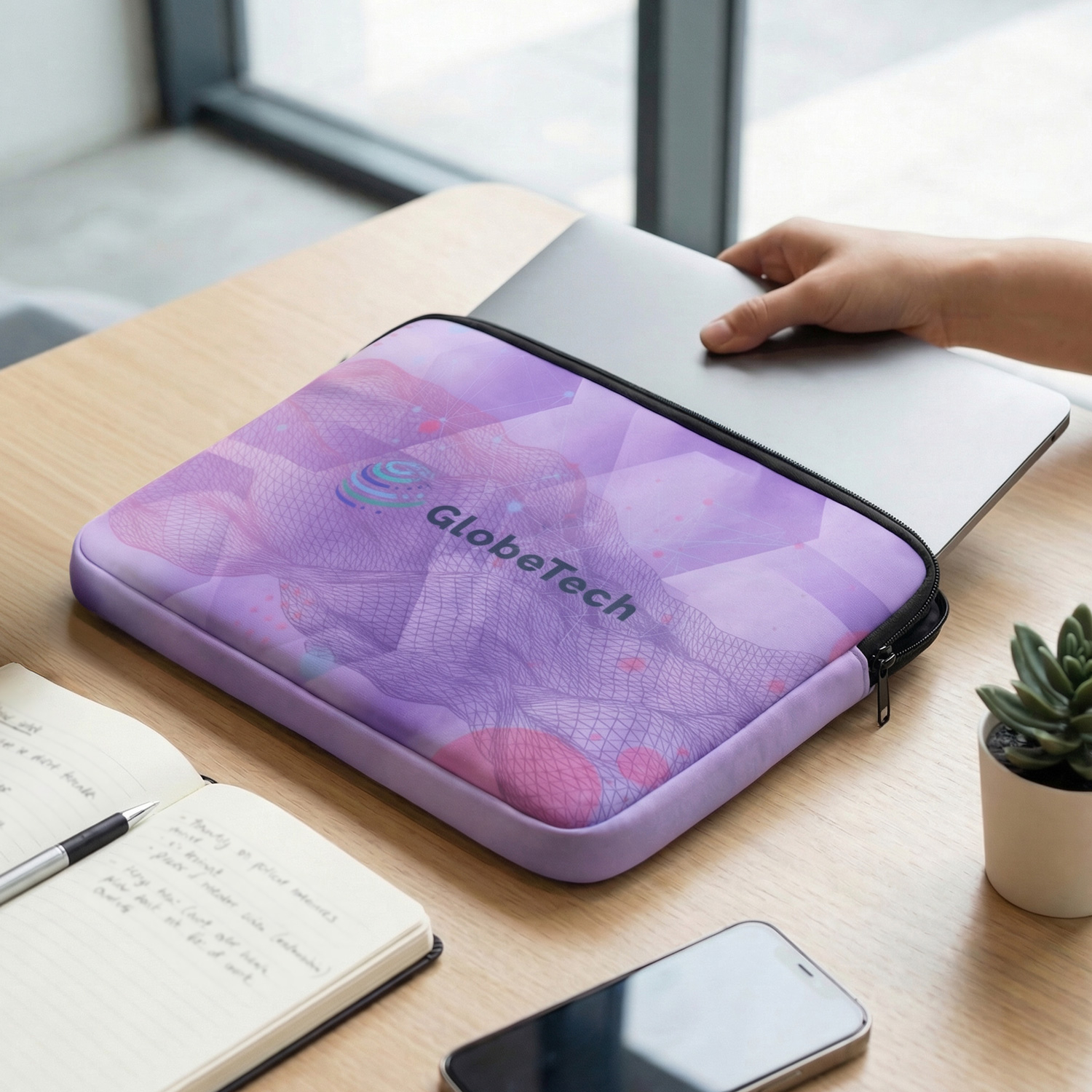
Step 2: Map Your Annual Calendar
The backbone of any promotional merchandise strategy is a calendar of known and predictable touchpoints. Work through the following categories and list every event, campaign, or milestone that applies to your business.
Internal milestones
- New staff onboarding cycles (continuous, quarterly, or seasonal)
- Company anniversary or milestone events
- End-of-year team recognition
- Work Health and Safety (WHS) uniform refreshes
- New product or service launches
External campaigns
- Trade shows and industry conferences
- Client appreciation events
- Sales campaigns and incentive programs
- Sponsorships and community events
- Tender submissions or major pitch support
Seasonal and cultural moments
- Christmas and end-of-year gifting (plan by September at the latest)
- NAIDOC Week (July)
- Harmony Week (March)
- Australia Day (January)
- EOFY (June), for client gifting or internal recognition
Industry-specific moments Different sectors have their own calendar. A construction company might plan around National Safe Work Month (October). A healthcare business might align with key awareness weeks. A financial services firm might focus on EOFY client gifting. Map what’s relevant to your industry specifically.
Once you’ve listed your touchpoints, plot them on a 12-month calendar. This makes the busy periods obvious and helps you see where promotional merchandise spend clusters.
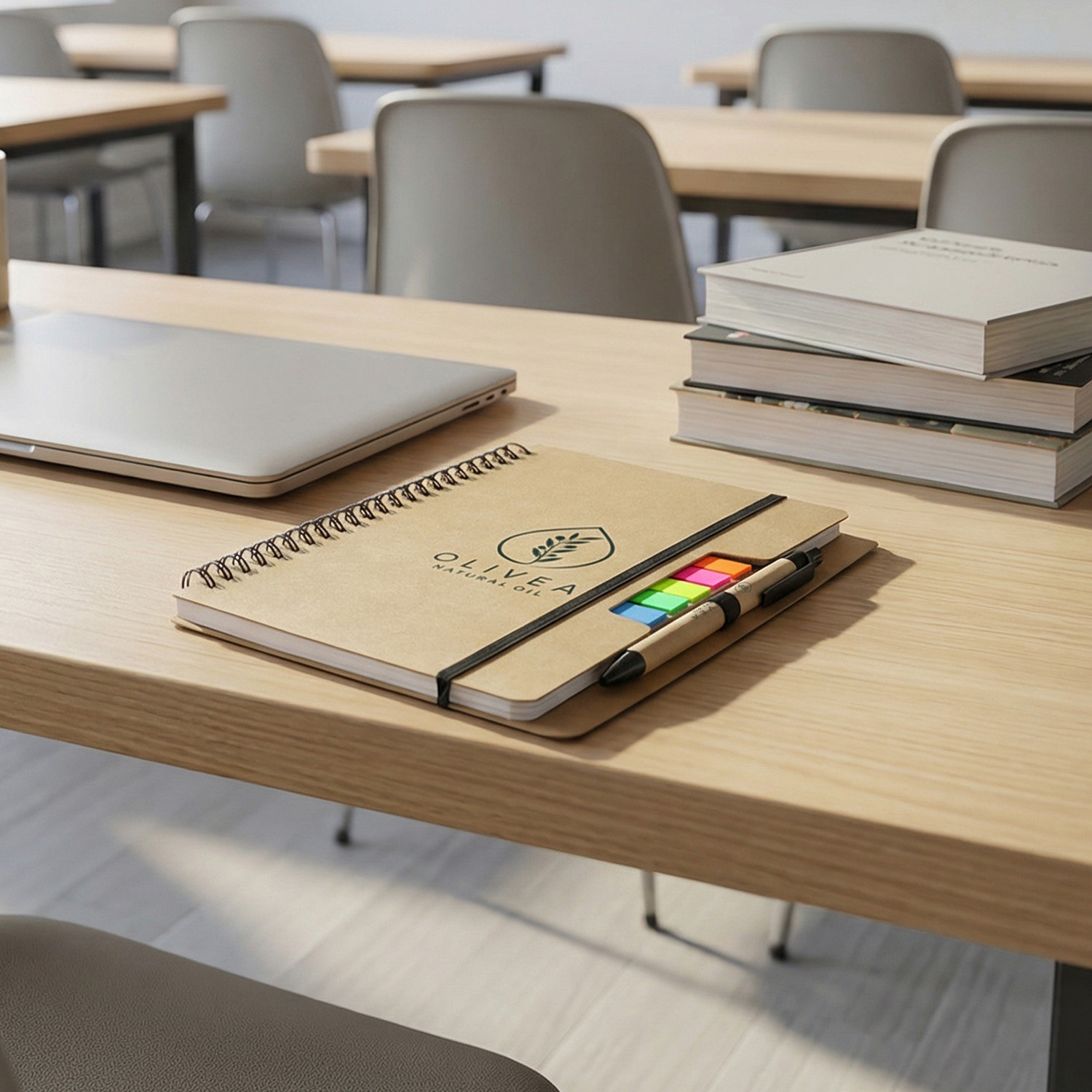
Step 3: Match Products to Moments
Not every event calls for the same product. The most effective promotional merchandise strategy maps product type to occasion, audience, and purpose.
Here’s a practical framework:
Mass giveaways (trade shows, community events, open days) Focus on low-to-mid cost items with broad appeal and high usability: branded pens, tote bags, reusable coffee cups, lanyards, notebooks, lip balms, sunscreen. The goal is reach and brand visibility, not depth of relationship.
Client gifts (end-of-year, milestone, appreciation) Invest in quality. Presentation matters here. Think branded gift sets, premium drinkware, leather goods, apparel, or experience-adjacent products. A well-chosen client gift says more about your brand than a hundred cheap pens.
Staff recognition and onboarding Practical, wearable, and lasting. Branded apparel (polos, jackets, beanies), quality drinkware, and tech accessories work well for onboarding kits. For recognition, personalisation adds impact, whether that’s a custom name or a message tied to the achievement.
Event merchandise (conferences, launches, sponsorships) Product should reflect the event’s tone. A tech conference calls for different merchandise than a charity fun run. Match the energy, the audience, and the budget per head.
Campaign-specific merchandise When merchandise is tied to a product launch or marketing campaign, it should extend the campaign message, not run parallel to it. Use the same visual identity, colour palette, and messaging framework across all touchpoints including physical products.

Step 4: Understand Lead Times and Build Them In
This is where most merchandise plans come unstuck. Products that require custom manufacturing, offshore production, or complex decoration need to be ordered well in advance.
As a practical guide:
Express / local stock products (branded from existing stock): 3–5 business days from artwork approval. Suitable for urgent needs or smaller orders.
Standard local orders (branded locally, moderate complexity): 10-14 days from artwork approval. Works for most events with reasonable lead time.
Custom offshore products (custom moulded, bespoke shapes, fully custom packaging): 4–8 weeks including sea freight. Essential for large-scale campaigns, NAIDOC or other culturally significant merchandise, or anything requiring unique product development.
Rule of thumb: if the item matters, don’t wait until the month before you need it. Work backwards from the event date, add your freight buffer, and set a purchase order deadline in your calendar.
A good merchandise supplier will flag lead time risk early. If yours doesn’t, ask.
Step 6: Consolidate Orders Where You Can
One of the biggest efficiency gains in a full-year strategy is consolidating orders. Instead of placing five separate small orders across the year, look for opportunities to bundle.
Common consolidation opportunities:
- Annual apparel order. If you order staff uniforms or branded apparel regularly, do one larger order per year and hold stock. This reduces unit cost and freight charges, and avoids the “we’ve run out of medium polos” problem.
- Conference season batching. If you attend multiple trade shows or events, order giveaway stock in a single run and warehouse it. The unit savings on 2,000 pens versus 500 pens four times are significant.
- Christmas order planning. Start your end-of-year gifting conversation in August or September, not November. Quality products sell out, offshore production has already closed for the season, and your options narrow fast if you leave it late.
Talk to your supplier about warehousing options. Many promotional merchandise companies in Australia offer storage solutions for clients who order in volume, which means you get the cost benefit of bulk ordering without the office becoming a warehouse.

Step 7: Brief Your Supplier Early
The quality of your promotional merchandise is only as good as the quality of your brief. A supplier who understands your calendar, your brand, and your audience can add real value: suggesting products you haven’t considered, flagging cost-saving alternatives, and catching potential issues before production.
A good annual merchandise brief should include:
- Your brand guidelines (logo files, colour codes, fonts, usage rules)
- Your event and campaign calendar for the year
- Approximate quantities per event or category
- Budget parameters by order type
- Any sustainability or ethical sourcing requirements
- Lead time constraints or hard delivery deadlines
Getting this in front of your supplier at the start of the year, or even in the final quarter of the previous year, means they can plan their own production schedule around your needs. That translates into better availability, faster turnaround, and fewer surprises.
Step 8: Review and Refine Each Quarter
A 12-month merchandise strategy isn’t a set-and-forget document. Build in a quarterly review to assess what’s working.
At each review, ask:
- Are we on track with budget by category?
- Are there any upcoming events that need merchandise ordered in the next 8 weeks?
- Did the last order achieve what we intended? (Did staff wear it? Did clients comment on the gift? Did the event giveaway move the needle?)
- Are there any product categories we should add, drop, or adjust?
The goal is a strategy that gets sharper each year, not one that’s redone from scratch every January.
A Note on Sustainability
Australian businesses are increasingly expected to make responsible choices with promotional merchandise. This doesn’t mean avoiding merchandise altogether; it means being intentional about what you order.
Practical steps that don’t require a complete overhaul:
- Replace single-use plastics (bags, straws, cheap trinkets) with reusable or recycled alternatives.
- Choose products that recipients will actually keep and use, reducing waste at the source.
- Ask your supplier about products made from recycled materials, organic cotton, or responsibly sourced timber.
- For apparel, consider Australian-made options where budget allows. Local manufacturing supports the domestic industry and shortens the supply chain.
Sustainable merchandise doesn’t have to cost significantly more. It usually just requires planning further ahead.

Why Australian Companies Plan Their Merchandise with Promotion Products
Promotion Products has been supplying branded merchandise to Australian businesses for over 20 years. We work with organisations across construction, professional services, healthcare, government, retail, and events, helping them plan and execute merchandise programs that stay on time, on brand, and on budget.
Our clients get free artwork setup, digital proofs before production goes ahead, and Australia-wide delivery. No hidden costs, no surprises. We’ll tell you upfront what something costs at different quantities, what the lead time looks like, and whether a product is the right fit for your brief.
If you’re planning your merchandise calendar for the year ahead, we’re happy to have that conversation early. The sooner we understand your calendar, the more options we can put in front of you.
Request a free quote or call us on 1300 303 717 to talk through your annual merchandise plan. No obligation, just straight advice.
Frequently asked questions about promotional merchandise planning
Q: When should I start planning my end-of-year Christmas merchandise? A: Start in August or September at the latest. Quality products sell out early, offshore manufacturers close for the holidays well before December, and freight schedules tighten. Leaving it until October or November significantly limits your options and increases rush costs.
Q: How far in advance do I need to order custom promotional products in Australia? A: It depends on the product. Locally stocked items can be branded and delivered in 3–10 business days. Products requiring custom offshore production typically need 8–12 weeks including shipping. If you have a hard event deadline, work backwards from that date and add a buffer for artwork revisions.
Q: What’s the most cost-effective way to manage promotional merchandise spend? A: Consolidate orders where possible and plan for volume. Ordering 2,000 units at once almost always costs less per unit than four orders of 500 across the year. A full-year calendar also removes the rush order premium, which can add 20–40% to standard costs.
Q: Do I need a minimum order quantity for promotional merchandise? A: Minimum order quantities (MOQs) vary by product and supplier. Many locally stocked items have low MOQs of 25–50 units, making them accessible for smaller teams or short-run campaigns. Custom offshore products typically require higher MOQs to make production economical. Your supplier should be transparent about MOQs upfront.
Q: How do I choose the right promotional product for each occasion? A: Match the product to the relationship, the audience, and the context. Mass event giveaways call for practical, affordable items with broad appeal. Client gifts should reflect the value of the relationship, with quality and presentation carrying weight. Staff merchandise should be functional and wearable. A good supplier will help you match the brief to the right product.

Marketing Coordinator at Promotion Products. Eve holds a Bachelor’s Degree in Business and Marketing. She combines creativity and strategy to help brands make a lasting impression through thoughtful merchandise. Passionate about creating community through merch, storytelling and design, Eve oversees everything from campaign planning to content creation – championing merchandise as the powerful marketing medium it is.