
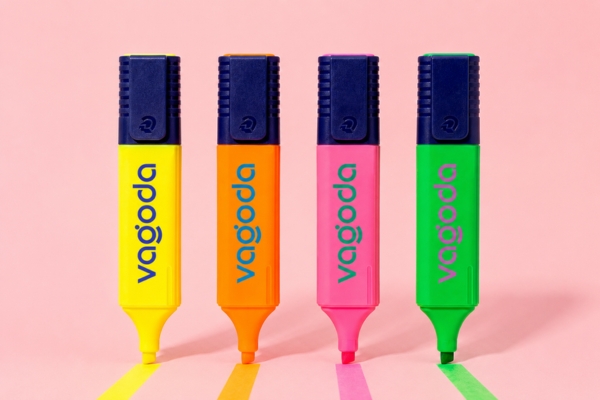
- Branded Merchandise Is More Than a Giveaway
- The Promotional Merchandise Buyer Journey
- Stage 1: Awareness – Get Your Brand Into Their World
- Stage 2: Consideration – Give People Another Reason to Choose You
- Stage 3: Conversion – Turn the Brand Promise Into Something Tangible
- Stage 4: Onboarding – Show Them They Made the Right Choice
- Stage 5: Retention – Don't Only Give Merch to New Customers
- Stage 6: Advocacy – Turn Customers Into People Who Carry Your Brand
- How to Choose the Right Merchandise for Each Customer Stage
- Why Choose Promotion Products?
- Frequently Asked Questions
Quick Answer: How Does Promotional Merchandise Fit Into the Buyer Journey?
Promotional merchandise can support almost every stage of the buyer journey – but the product, message and experience should change as the relationship changes.
At the awareness stage, merch needs to attract attention and build recognition. During consideration, it should demonstrate relevance and quality. Once someone becomes a customer, merchandise can reinforce their decision, strengthen the relationship and eventually turn customers into advocates for your brand.
The simple rule?
Right merch. Right person. Right moment.
Because handing everyone the same product with the same oversized logo isn’t really a merchandise strategy.

Branded Merchandise Is More Than a Giveaway
For a long time, promotional products were treated as a separate marketing activity.
Order 1,000 pens. Put the logo on them. Hand them out.
Done.
But good branded merchandise can do much more when it is connected to the wider customer journey.
It can introduce your brand to someone who has never heard of you, give a prospect another reason to remember you, make a new customer feel confident they chose the right business, reward a loyal client or encourage someone to recommend you.
Recent Australian and New Zealand research backs this up.
APPA’s 2025–26 research found that 77% of recipients purchased from a brand after receiving branded merchandise, while 66% visited the brand’s website or social channels and 84% told others about the brand.
But there is an important catch.
The impact doesn’t come simply from putting a logo on something.
APPA found usefulness was the number-one factor influencing whether people kept and used branded merchandise, while quality, appropriate branding and sustainability also influenced how recipients responded.
That’s why the starting question shouldn’t be:
“What product should we order?”
It should be:
“What do we want this person to think, feel or do next?”
Then choose the merchandise.

The Promotional Merchandise Buyer Journey
| Buyer Journey Stage | Main Objective | Role of Merchandise | Example Items |
| Awareness | Get noticed | Create reach and recall | Tote bags, caps, bottle & event giveaways |
| Consideration | Build trust | Demonstrate relevance and quality | Curated packs, useful premium items |
| Conversion | Encourage action | Make the relationship tangible | Campaign mailers, welcome gifts |
| Onboarding | Reinforce the decision | Create a great first experience | welcome packs, drinkware, notebooks & tech |
| Retention | Strengthen the relationship | Stay useful and appreciated | Client gifts, milestone merch |
| Advocacy | Encourage recommendation | Create belonging and sharing | Exclusive merch, referral gifts and limited-edition items |
The important part is that the value and personalisation of the merchandise generally increase as the relationship becomes stronger.
You might distribute 2,000 useful branded products during an awareness campaign but send only 50 highly considered packs to priority prospects or loyal clients.
Both can work.
They are simply doing different jobs.

Stage 1: Awareness – Get Your Brand Into Their World
At the awareness stage, your audience might know very little about your organisation.
Your job is not to explain your business.
It is to become recognisable and memorable.
This is where promotional merchandise can be particularly powerful because physical products can continue generating exposure long after an ad, social post or event has disappeared.
Think about products such as:
- Branded tote bags
- Drink bottles
- Caps and headwear
- Reusable coffee cups
- Pens
- Sunscreen
- Stickers
- Event merchandise
- Useful everyday giveaways
The emphasis here should be on reach + relevance + usability.
A reusable bottle used every day is usually more valuable than a novelty product that gets noticed once and then thrown away.
Tip: make the product fit the audience.
A community fun run, mining conference and university open day shouldn’t all receive the same merchandise.
Ask:
Where will the recipient be when they receive it? What will they actually need at that moment?
At an outdoor event, sunscreen, caps or drink bottles make sense.
At a conference, notebooks, chargers, tote bags or quality pens may fit naturally into the experience.
For a sustainability campaign, a disposable plastic trinket probably sends completely the wrong message.
Merchandise becomes much more powerful when the product itself reinforces what your brand stands for.

Stage 2: Consideration – Give People Another Reason to Choose You
Someone in the consideration stage already knows who you are.
Now they’re comparing.
Your competitors might have similar products, similar pricing or similar claims, so this stage is about creating trust, credibility and preference.
That means merchandise should become more considered.
Instead of maximising the number of people reached, concentrate on the people who matter most.
For example:
- A beautifully packaged product sample
- A curated prospect mailer
- Premium branded drinkware
- A relevant desk or tech product
- A useful industry-specific product
- A personalised item
- A small merchandise pack tied to your campaign message
This is also where quality matters enormously.
Your merchandise becomes a physical representation of your organisation.
If you claim to be innovative but send something generic, there is a disconnect.
If you’re positioning your business as premium and the merchandise feels cheap, that communicates something too.
Tip: go beyond the logo.
Consideration-stage merchandise is a great opportunity to use messaging creatively.
Instead of simply adding your logo, connect the product to the reason you’re talking to that prospect.
A coffee cup could reference an upcoming meeting.
A notebook could contain a message around planning something together.
A mailer box could continue the creative concept from your advertising campaign.
The best branded merchandise doesn’t interrupt the marketing idea.
It becomes part of it.
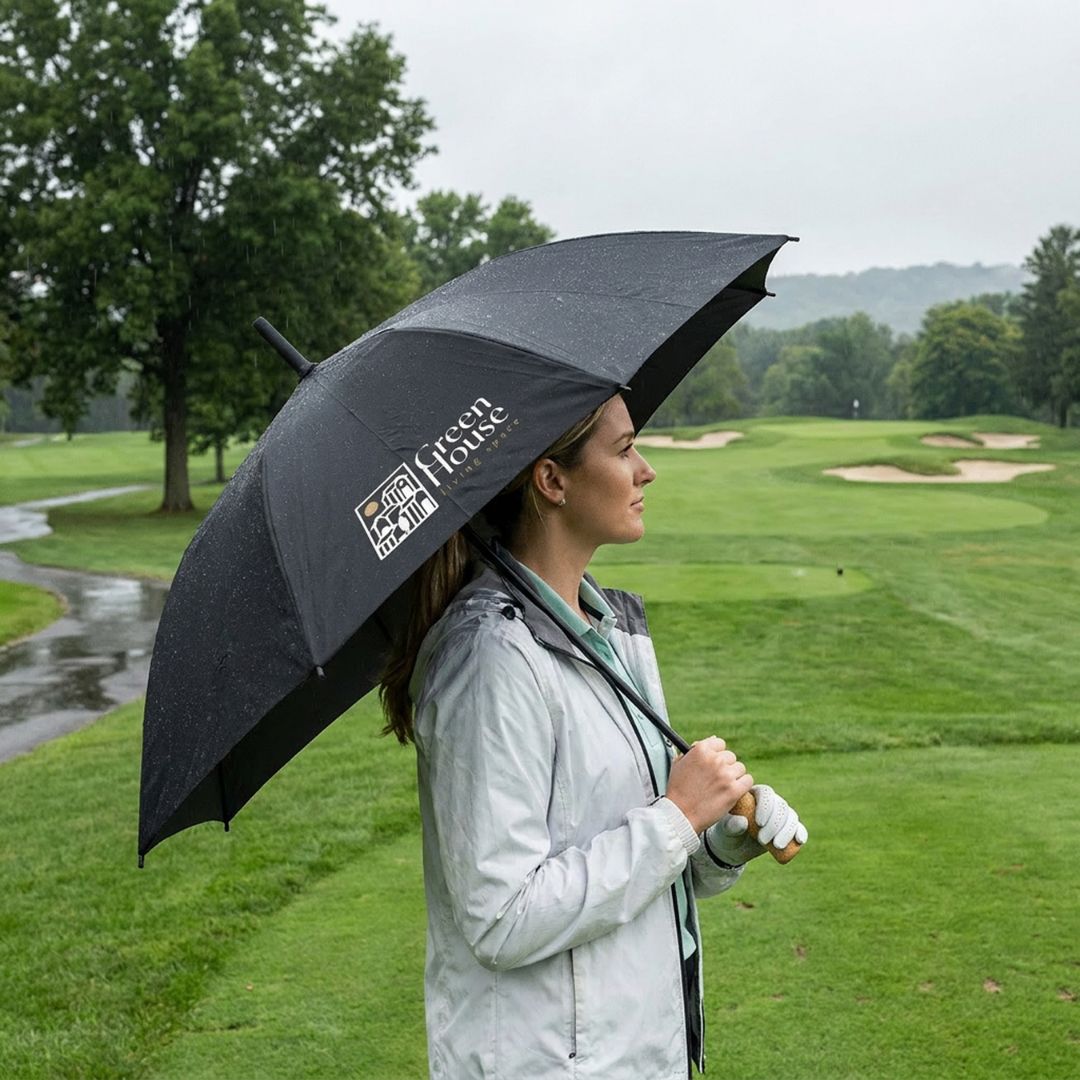
Stage 3: Conversion – Turn the Brand Promise Into Something Tangible
As a buyer moves closer to making a decision, merchandise can help make an otherwise digital sales experience feel more human.
This doesn’t mean attempting to “buy” the decision with an expensive gift.
The aim is to reinforce the experience you’re already creating.
Examples could include:
- Product launch mailers
- Trial or demonstration packs
- Branded sales kits
- Campaign merchandise linked to a landing page
- Direct-mail pieces
- Small relevant gifts following an important meeting
A QR code or NFC-enabled product can also bridge the physical and digital experience, directing people to a demonstration, campaign page, booking form, video or additional content.
That physical-to-digital connection is particularly interesting given APPA’s finding that 66% of recipients visited a brand’s website or social media after receiving branded merchandise.
The product creates the touchpoint.
Your digital experience then continues the conversation.
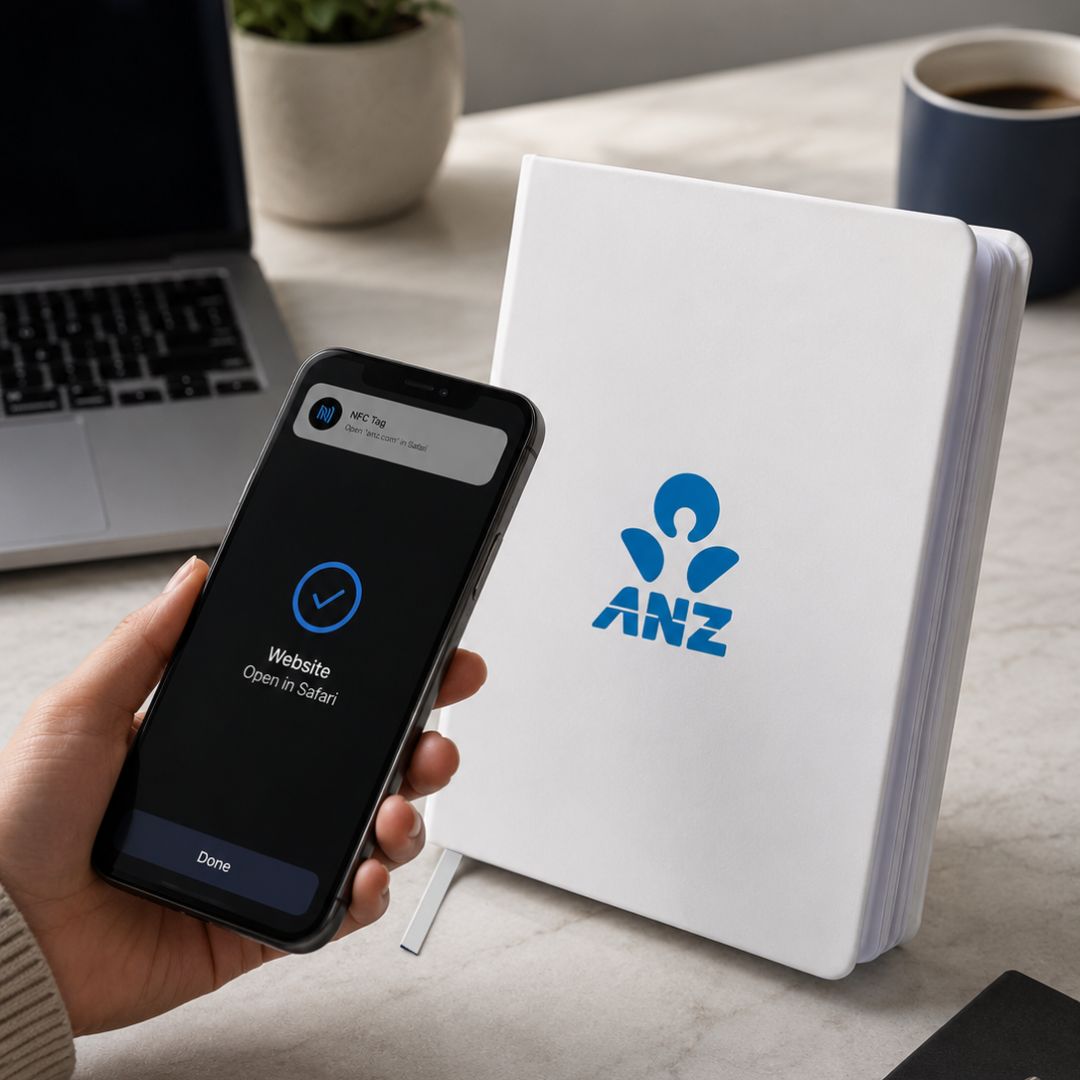
Stage 4: Onboarding – Show Them They Made the Right Choice
The buyer journey doesn’t finish when someone signs the contract or places an order.
In many ways, that’s where the important part begins.
There is often a gap between what your marketing promises and what customers actually experience.
Thoughtful onboarding merchandise can help close it.
A welcome pack can say:
You’re part of something now. We’re organised. We’re happy you’re here.
This could include:
- Premium drinkware
- Welcome cards
- Notebooks
- Branded apparel
- Tech accessories
- Bags
- Useful desk products
- Products relevant to your service or industry
The same idea works for employee onboarding too.
We already sees branded onboarding packs being used by Australian organisations to create a more considered first experience for new employees, customers and partners.
The key word is considered.
Five random products thrown into a box aren’t automatically better than one excellent product with a meaningful message.
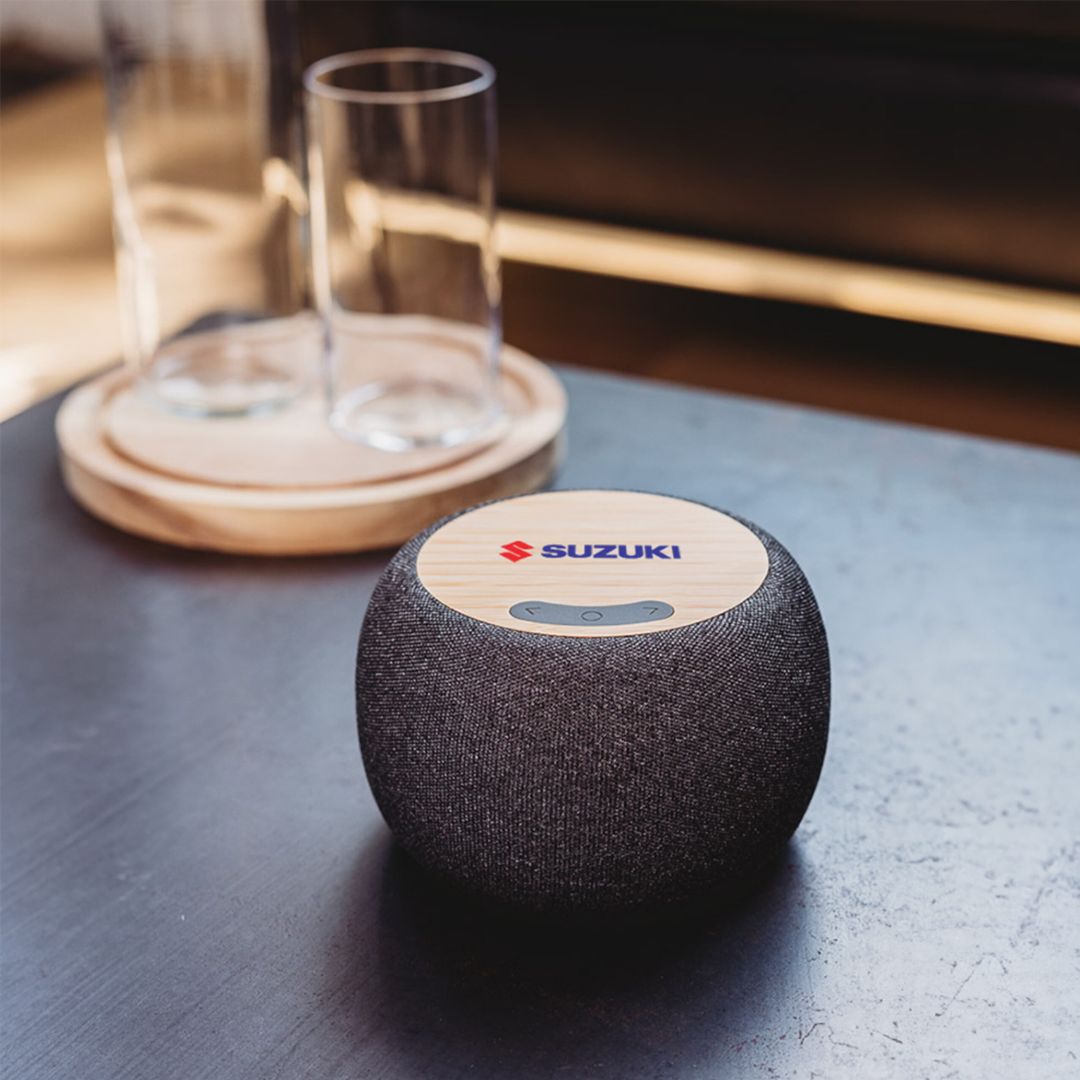
Stage 5: Retention – Don’t Only Give Merch to New Customers
This is one of the biggest missed opportunities.
Businesses will often spend heavily trying to impress prospects while giving very little thought to customers who have already chosen them.
Yet your existing customers are the people you want to:
- Buy again
- Renew
- Expand their relationship with you
- Remember you
- Feel appreciated
- Stay connected with your team
This is where branded merchandise can shift from promotional product to relationship tool.
Good opportunities include:
- Customer anniversaries
- Project milestones
- Contract renewals
- Thank-you gifts
- Christmas or end-of-year gifting
- Major achievements
- Product launches
- Customer events
- Unexpected “just because” moments
And the merchandise should reflect the depth of the relationship.
A customer who has worked with you for ten years probably deserves something more thoughtful than the giveaway you handed out at last month’s conference.

Stage 6: Advocacy – Turn Customers Into People Who Carry Your Brand
The strongest customer relationships eventually move beyond retention.
People start recommending you.
Talking about you.
Posting about you.
Introducing colleagues.
Wearing your brand because they genuinely like it.
This is where branded merchandise can become a badge of belonging.
Think:
- Limited-edition merchandise
- Premium apparel
- Exclusive customer products
- Referral thank-you packs
- VIP gifts
- Community merchandise
- Collectable products
- Custom merchandise people genuinely want to show others
At this point, subtle branding often works particularly well.
If you want someone to wear a shirt, carry a bag or use a bottle publicly, design something they would actually choose for themselves.
The goal isn’t to turn your customer into a billboard.
It’s to create something good enough that they want your brand to be part of their world.
And when customers share or use that merchandise publicly, the cycle begins again.
Their advocacy creates awareness among someone new.
How to Choose the Right Merchandise for Each Customer Stage
Before selecting a promotional product, run the idea through these five questions.
1. Who is receiving it?
Avoid designing merchandise around what you like.
Think about the recipient’s work, lifestyle, location, interests and needs.
2. Where are they in the relationship?
A first-time event attendee and a ten-year customer should not necessarily receive the same thing.
As the relationship becomes deeper, merchandise can become more personalised and valuable.
3. What do you want them to do next?
Do you want them to:
- Remember your brand?
- Visit a website?
- Book a meeting?
- Trial a product?
- Feel welcomed?
- Buy again?
- Recommend you?
Knowing the desired next action makes product selection much easier.
4. Does the product feel like your brand?
Consider:
- Product quality
- Colours
- Materials
- Decoration method
- Packaging
- Messaging
- Sustainability
- Presentation
A promotional product isn’t just carrying your brand.
It is communicating your brand.
5. Will they actually keep it?
This might be the most important question of all.
Useful products earn repeat exposure.
Poorly chosen products become waste.
APPA’s latest ANZ research found 86% of recipients rated usefulness as the number-one factor influencing whether branded merchandise is kept and used.
Choose fewer, better products when you can.
Why Choose Promotion Products?
At Promotion Products, we’ve been helping Australian organisations create branded merchandise since 2004. Our team can help you match products, branding, messaging, budget and timing to what you’re actually trying to achieve – whether that’s getting noticed, winning new customers, welcoming people or building stronger long-term relationships.
And because we believe merchandise should create impact without creating unnecessary impact on the planet, all promotional merchandise supplied by Promotion Products is carbon offset at no extra cost.
Need help connecting your merchandise to your marketing strategy?
Talk to one of our merch experts today – tell us the audience, objective and moment you’re planning for. We’ll help you find the right product for the job.

Frequently Asked Questions
Q: What are the best promotional products for brand awareness? A: Useful products with strong visibility generally work best for brand awareness. Popular options include branded tote bags, drink bottles, caps, coffee cups, apparel, pens and event merchandise. The best choice depends on the audience and where the merchandise will be used.
Q: What merchandise works best for prospective customers? A: For prospects who already know your brand, focus on relevance rather than mass distribution. Curated mailers, premium drinkware, useful tech products, personalised items and campaign-specific merchandise can help reinforce quality and differentiate your brand.
Q: How can branded merchandise improve customer retention? A: Client gifts, milestone merchandise, anniversary gifts and unexpected thank-you products can help existing customers feel recognised and maintain a tangible connection with your organisation between purchases.
Q: How do you measure the ROI of promotional merchandise? A: Start by identifying the intended outcome. Depending on the campaign, useful measures can include website visits, QR scans, enquiries, conversions, repeat purchases, retention, referrals, social mentions and customer feedback. Merchandise should be measured against the behaviour it was designed to influence.

Marketing Coordinator at Promotion Products. Eve holds a Bachelor’s Degree in Business and Marketing. She combines creativity and strategy to help brands make a lasting impression through thoughtful merchandise. Passionate about creating community through merch, storytelling and design, Eve oversees everything from campaign planning to content creation – championing merchandise as the powerful marketing medium it is.