

A strong employer brand is not created by a polished careers page, a clever recruitment campaign or a list of company values displayed in the office.
It is created by what employees experience every day.
Employer branding is the reputation your organisation has as a place to work. Workplace culture is the behaviour, systems and experiences that create that reputation. In simple terms: your employer brand is the promise; your workplace culture is the proof.
To build a strong employer brand, businesses must define what they stand for, deliver a consistent employee experience and give their people genuine reasons to feel connected, valued and proud.

What is employer branding?
Employer branding is how current employees, potential candidates and the wider market perceive your organisation as an employer.
It includes your:
- Workplace culture and values
- Leadership and management style
- Employee benefits and flexibility
- Career development opportunities
- Approach to communication and recognition
- Recruitment and onboarding experience
- Reputation among current and former employees
At the centre of employer branding is your employee value proposition, commonly called an EVP. This explains what your organisation stands for, what it expects from employees and what people receive in return for their contribution.
Your employer brand already exists – even if you have never intentionally developed one. It lives in employee conversations, candidate experiences, workplace reviews, social media posts and the way your organisation responds when things go wrong.
The question is whether that reputation accurately reflects the workplace you want to build.

Why does workplace culture matter?
People may accept a job because of salary, location or opportunity. Whether they stay, perform and recommend the organisation often comes down to their everyday experience.
Gallup’s 2026 workplace research found that only 20% of employees globally were engaged at work in 2025. In Australia, the three-year rolling engagement figure was 21%, with 65% of workers classified as not engaged.
Australian workers are also looking beyond salary alone. Randstad’s 2025 research identified work-life balance, salary and benefits, job security, training and a pleasant work atmosphere as the leading drivers of an ideal employer.
A strong culture can help an organisation:
- Attract people who share its values
- Improve employee engagement and retention
- Strengthen teamwork and communication
- Build trust in leadership
- Create more consistent customer experiences
- Turn employees into genuine brand advocates

How to build a strong workplace culture
Define an authentic employer value proposition
Turn company values into observable behaviours
Equip managers to create the culture
Make recognition frequent, specific and meaningful
Design a consistent employee journey
Create belonging across every work environment
Make your culture tangible
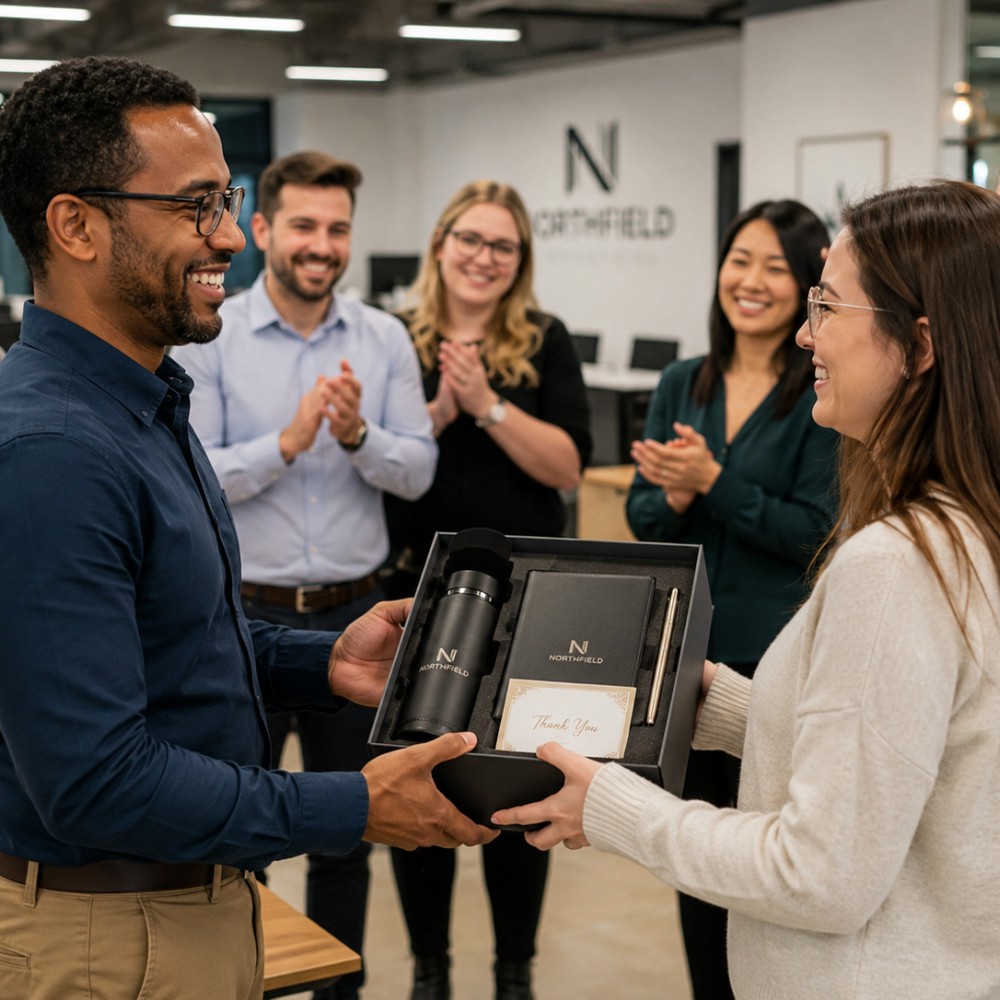
How promotional products supports employer branding
Merchandise cannot repair poor leadership, unclear expectations or a lack of trust. However, what it can do (and extremely well) is make a positive culture more visible and memorable.
| Employer branding opportunity | How promotional products help |
| Employee onboarding | A considered onboarding pack can help a new employee feel expected before they complete their first task. Include practical products they will genuinely use, along with a personal welcome message and clear explanation of the company’s purpose and values. |
| Employee recognition | A personalised item can give lasting significance to a milestone or achievement. The product should reflect the reason for the recognition rather than feeling like leftover marketing stock. |
| Team identity | Quality apparel, uniforms and accessories can create a sense of shared identity, particularly for distributed teams, event staff, field teams and frontline employees. |
| Values and purpose | Merchandise can support sustainability programs, community initiatives, safety campaigns, wellbeing programs and other behaviours the organisation wants to reinforce. |
| Employee advocacy | People are more likely to wear, use and share products they genuinely like. Retail-quality merchandise can help employees express pride in where they work without feeling like walking advertisements. |

What makes good employee merchandise?
Effective employee merchandise should be:
Useful: Choose products that suit the employees’ roles, preferences and working environments.
High quality: A product that quickly breaks or becomes unusable reflects poorly on the organisation.
Relevant: Connect the product to a meaningful moment, message or behaviour.
Inclusive: Consider sizing, accessibility, cultural preferences, dietary requirements and different work locations.
Personal: Add names, tailored messages or choices where practical.
Subtly branded: Employees are more likely to use products that feel designed rather than heavily advertised.
Responsible: Consider materials, packaging, product lifespan and supplier transparency.
Delivered on time: Welcome gifts arriving after someone starts or event merchandise arriving after the event undermines the experience.

Promotional product ideas to build your employer brand
The best employer brand merchandise is useful, well made and connected to a real employee experience. It should help people feel welcomed, recognised or part of something – not simply put another logo into circulation.
| Promotional Item | Why it works? |
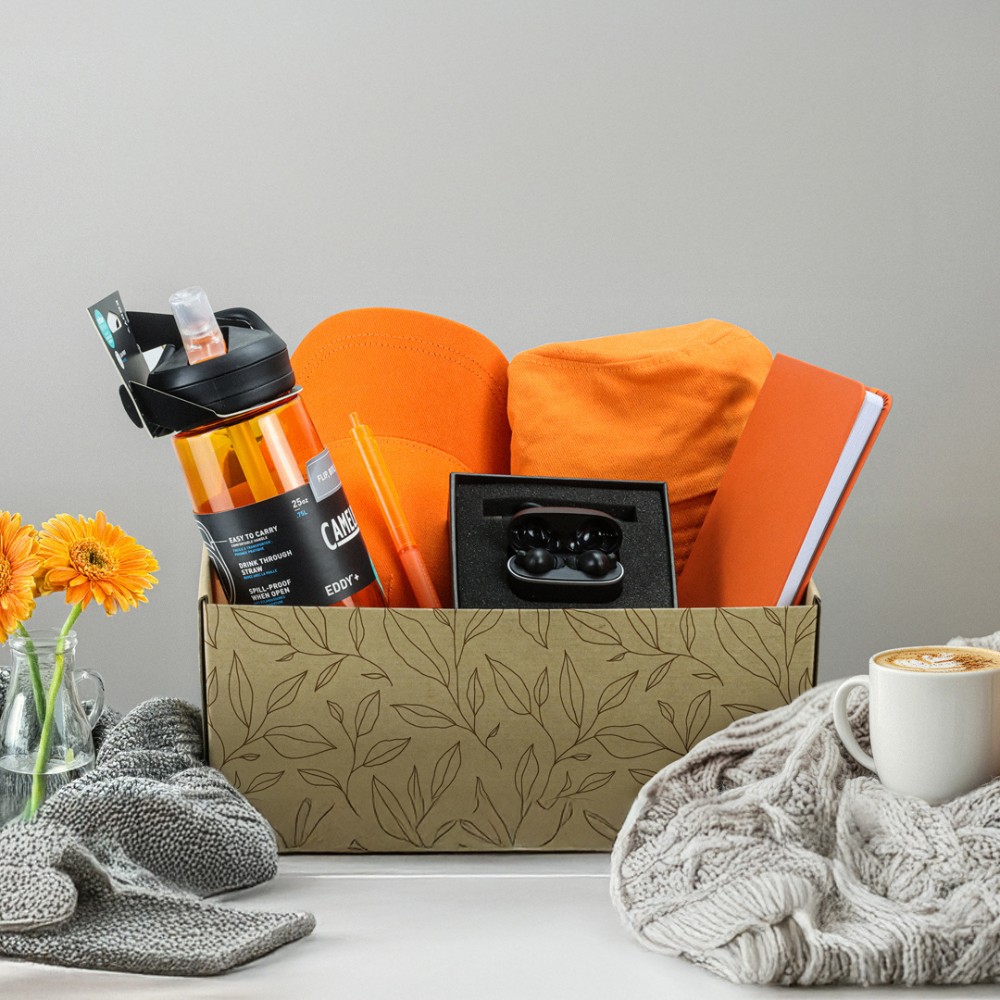
| Employee welcome packs | Help new starters feel expected, valued and part of the team from day one. Include practical products, company information and a personal welcome message. |
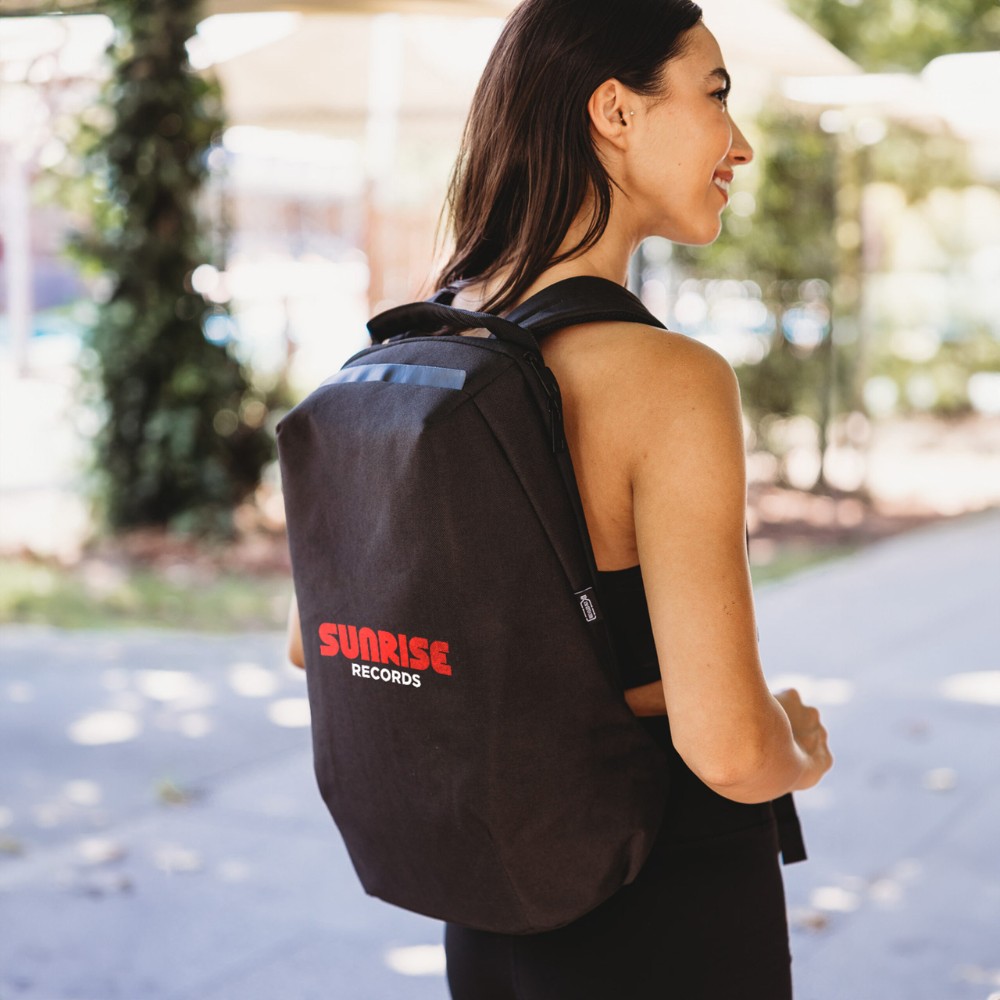
| Apparel | Builds team identity and pride when the clothing is comfortable, well designed and something employees genuinely want to wear. |
| Tech products | Useful products such as wireless chargers, power banks and cable organisers keep staff connected and supports themat work, at home and while travelling. |
| Wellbeing merchandise | Drinkware, journals, fitness products and self-care kits can reinforce workplace wellbeing initiatives when supported by genuine programs and policies. |
| Promotional gifts | Personalised or premium gifts make achievements, anniversaries and milestones feel more meaningful and memorable. |
Frequently asked questions
Q: What is the difference between employer branding and workplace culture?
A: Employer branding is your reputation as a place to work. Workplace culture is the everyday behaviour, systems and experiences that create that reputation.
Q: What is an employee value proposition?
A: An employee value proposition explains what an organisation offers employees in return for their skills and contribution. It usually covers culture, purpose, development, benefits, working conditions and career opportunities.
Q: How can a business improve its employer brand?
A: Start by listening to employees, defining an authentic EVP and improving the areas where the employee experience does not match the organisation’s promises. Leadership, communication, recognition, development and onboarding should all support the same culture.
Q: Can branded merchandise improve workplace culture?
A: Merchandise cannot create a healthy culture by itself. However, meaningful and useful merchandise can reinforce belonging, recognition, company values and shared experiences when it supports a strong employee strategy.
Q: What should be included in an employee welcome pack?
A: An effective welcome pack may include practical work essentials, quality apparel, drinkware, stationery, technology accessories and a personal message. Products should suit the employee’s role and reflect the organisation’s culture rather than simply displaying a large logo.
Bring your employer brand to life
The best workplace merchandise does more than carry your logo. It reinforces what your organisation stands for and helps employees feel welcomed, recognised and connected.
Promotion Products helps Australian organisations create purposeful employee welcome packs, recognition gifts, uniforms, team merchandise and workplace campaigns.
With the right products, message and delivery plan, you can turn your employer brand into something your people can genuinely experience.
Contact our team of merchandise experts for their recommendations for your brand.

Marketing Coordinator at Promotion Products. Eve holds a Bachelor’s Degree in Business and Marketing. She combines creativity and strategy to help brands make a lasting impression through thoughtful merchandise. Passionate about creating community through merch, storytelling and design, Eve oversees everything from campaign planning to content creation – championing merchandise as the powerful marketing medium it is.