

Quick Answer
Promotional products are branded physical items such as custom pens, apparel, drinkware, and tech accessories. Printed with a company’s logo or message and given to customers, prospects, or employees to build brand awareness, loyalty, and engagement. Brands invest in them because they generate long-lasting impressions, create emotional connections, and consistently outperform digital advertising on cost-per-impression metrics.
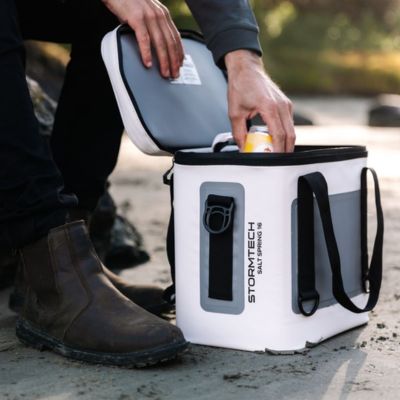
The Tangible Marketing Tool
Think about the last time a brand gave you something, a reusable bag at a conference, a branded water bottle with an order, a quality pen at a hotel check-in. Chances are you kept it. Maybe you’re still using it.
That’s not a coincidence. That’s strategic marketing working exactly as it should.
Promotional products have been part of the business world for over a century. The first recorded use dates back to 1789, when commemorative buttons were produced for George Washington’s presidential inauguration. Today, the global promotional products industry is worth over AU$23 billion annually and it continues to grow as brands look for ways to cut through digital noise and make a real impression.
We’ve been in this industry long enough to know one thing with absolute certainty: when it’s done right, branded merchandise doesn’t just promote a business. It becomes part of people’s lives.

What Are Promotional Products?
Promotional products – also called branded merchandise, promotional merchandise, swag, promo items, or corporate gifts – are physical goods customised with a company’s branding and distributed to promote an organisation, product, event, or message.
They span a wide range of categories, including:
- Bags
- Pens & Writing
- Bottles
- Mugs & Eco Cups
- Caps & Headwear
- Clothing
- Giveaways
- Outdoor Products
- Desk & Office
- Tech
- Conference & Events
- Gifts
- Keyrings
The defining characteristic of a promotional product is that it carries a brand identity; a logo, tagline, website, QR code, or brand colour and is used as a marketing or relationship-building tool rather than sold commercially.
How Do Promotional Products Work as a Marketing Strategy?
Promotional products operate on a simple but powerful principle: physical objects create lasting memory and emotional association in a way digital content cannot.
When someone receives a useful, well-made branded item, several things happen simultaneously:
- Immediate brand exposure
- Repeated impressions
- Emotional association
- Word-of-mouth amplifications
This creates what marketers call the “billboard effect” except unlike a billboard, the item travels with the recipient through their day, their home, their workplace, and their social environment.
According to research from the Australasian Promotional Products Association (APPA), 52% of people have a more positive impression of a brand after receiving a promotional product, and the average branded item is kept for over 12 months. That’s sustained brand presence for a one-time cost.
Why Do Brands Invest in Promotional Products? (6 Reasons)
Unmatched Cost-Per-Impression Value
When marketers talk about cost-per-impression (CPI) – the cost to put a brand in front of one person once – promotional products consistently deliver among the lowest rates of any media channel.
A quality branded pen used 300 times generates 300 brand impressions. A custom tote bag carried on public transport might be seen by hundreds of people in a single commute. Compared to digital ads, which are typically viewed for less than two seconds before being scrolled past, promotional products generate meaningful, repeated impressions at a fraction of the cost.
For small and medium businesses especially, this makes branded merchandise one of the highest-ROI marketing investments available.
Physical Presence in a Saturated Digital World
The average Australian is exposed to between 4,000 and 10,000 brand messages every single day, almost all of them digital. Banner ads, social posts, email campaigns, sponsored content. The scroll is endless and the noise is deafening.
Promotional products do something that digital marketing fundamentally cannot: they exist in the real world.
A branded item on someone’s desk isn’t competing with 10,000 other messages for attention. It just sits there, quietly doing its job — keeping your brand visible, day after day. That kind of passive, consistent presence is incredibly hard to replicate through any screen-based channel.
Stronger Brand Recall Than Any Other Advertising Format
Brand recall – how easily someone can remember a brand when prompted – is one of the most important metrics in marketing. And promotional products consistently outperform other formats.
Studies by the Promotional Products Association International (PPAI) have found that over 80% of consumers can recall the brand on a promotional product they’ve received in the past two years. For comparison, recall rates for digital display advertising hover around 20-30%.
The reason is psychological: physical objects engage more of our senses than screens do. Touch, weight, texture, smell – these sensory inputs create stronger memory encoding. Holding a brand is simply more memorable than seeing it.
Building Genuine Customer Loyalty and Retention
Keeping an existing customer is far more cost-effective than acquiring a new one – most estimates put the ratio at 5:1 or higher. Promotional products are one of the most effective tools for deepening customer relationships and building the kind of loyalty that actually sticks.
A well-timed branded gift – at a renewal, after a major purchase, at a customer milestone, or during the holiday season – communicates something that no email can fully replicate: you matter to us enough that we thought of you with something real.
That gesture of care, when it’s genuine and backed by a quality product, builds emotional equity with customers that translates directly into retention, repeat purchase, and referral behaviour.
Event and Trade Show Marketing That Delivers Results
In competitive event environments – trade shows, expos, conferences, product launches – the brands people remember are the ones that put something in their hands.
Think about the last trade show you attended. You likely can’t recall every banner you walked past. But you probably remember the booth that gave you something genuinely useful. That’s the power of a well-chosen promo item in an event context.
Promotional products extend the life of event marketing beyond the event itself. When an attendee takes home a quality branded item, your brand presence travels with them into their office, their home, their social circle. The conversation that started at your booth keeps going long after the event floor has packed up.
Employee Engagement, Culture, and Advocacy
The best brand ambassadors a company has aren’t influencers or ad spend, they’re employees who are genuinely proud of where they work.
Branded merchandise plays a surprisingly significant role in workplace culture. From onboarding kits that make new team members feel welcomed and valued, to milestone gifts that recognise achievement, to team uniforms and branded apparel that build a sense of belonging — merchandise is a tangible expression of culture.
When employees love the branded items they receive, they wear them, use them, and share them. That turns your internal investment into external brand visibility – authentic, human, and far more trusted than any paid advertisement.
What Makes a Promotional Product Actually Effective?
Not all promotional products are created equal. The difference between a forgettable freebie and a genuinely effective marketing tool comes down to a few critical factors.
Relevance to the audience. The most effective promo items match the lifestyle, values, and needs of the people receiving them. An eco-friendly brand gifting single-use plastic items sends the wrong message. A fitness brand distributing premium water bottles speaks directly to their audience’s world.
Quality that reflects the brand. A cheap, flimsy item doesn’t just fail to impress, it actively damages brand perception. If your product or service is premium, your branded merchandise needs to match. Quality signals quality.
Usefulness and everyday utility. Items that solve a problem or integrate into daily life generate the most impressions and the strongest brand association. The more useful the item, the longer it’s kept, and the more your brand is seen.
Intentional branding. Logo placement, colour accuracy, and artwork quality matter. A beautifully branded item with crisp, accurate printing reflects well. A misaligned, faded logo does the opposite.
Strategic timing and distribution. The right item at the right moment – a gift at a contract signing, a thank-you after a first purchase, a surprise during customer appreciation week – creates far more emotional impact than bulk distribution at a random touchpoint.
The Evolution of Promotional Products
The promotional products industry isn’t standing still. Several significant trends are reshaping how brands think about and invest in branded merchandise.
- Sustainability is no longer optional
- Personalisation at scale
- Merchandise as brand storytelling
- Premium over promotional
- Digital integration
Why Choose Promotion Products for Your Branded Merchandise?
We’ve built our reputation over many years on a simple belief: branded merchandise should be as good as the brand it represents.
That means we don’t just sell products with logos on them. We work with businesses to understand their audience, their values, and their goals and then we help them find the merchandise that genuinely moves the needle.
From a single run of premium corporate gifts to a national trade show campaign to an ongoing employee engagement program, our team brings the expertise, the supplier relationships, and the creative thinking to make every merchandise investment count.
We are proud members of the Australasian Promotional Products Association (APPA), committed to ethical sourcing, and experienced across every product category and industry sector.
The Bottom Line
Promotional products are not a relic of old-school marketing. They are a sophisticated, measurable, and deeply human way to build brand presence in the real world – one that no algorithm update can erase and no ad blocker can filter.
In a landscape where attention is the scarcest resource and digital saturation is at an all-time high, putting something real, useful, and beautifully branded in someone’s hands is one of the most powerful things a brand can do.
The brands that understand this and execute it well don’t just get seen. They get remembered.
eady to invest in promotional products that actually work for your brand? Get in touch with the Promotion Products team and let’s create branded merchandise that makes a lasting impression.
FAQs – Promotional Products

Marketing Coordinator at Promotion Products. Eve holds a Bachelor’s Degree in Business and Marketing. She combines creativity and strategy to help brands make a lasting impression through thoughtful merchandise. Passionate about creating community through merch, storytelling and design, Eve oversees everything from campaign planning to content creation – championing merchandise as the powerful marketing medium it is.