
The right staff uniform should suit the employee’s role, working environment, climate and daily tasks while presenting your brand consistently.
For most Australian businesses, a practical uniform range includes comfortable branded shirts or polos, suitable bottoms, seasonal outerwear and any role-specific workwear. Before ordering, consider fabric, fit, sizing, branding method, safety requirements, washing frequency and how easily garments can be reordered.
A staff uniform should not simply look good in a product catalogue. It needs to work for the people wearing it.

Why are staff uniforms important?
Staff uniforms help employees look consistent, make team members easier to identify and strengthen the way customers experience your brand.
A well-designed uniform can also help employees feel more connected to the organisation. When staff are given clothing that fits properly, feels comfortable and looks professional, they are far more likely to wear it confidently.
Poorly selected uniforms can have the opposite effect. Uncomfortable fabrics, limited sizing, oversized logos and garments that do not suit the employee’s role often end up unworn.
The goal is not to put the same logo on every person. It is to build a practical clothing range that creates a consistent brand experience across different roles, locations and seasons.

Start with the purpose of the uniform
Before comparing garments, define what the uniform needs to achieve.
Ask:
- Who will wear it?
- Where will they wear it?
- What tasks will they perform?
- Will they work indoors, outdoors or both?
- How formal should they look?
- Will customers see them regularly?
- Does the clothing need to meet safety requirements?
- How frequently will it be washed?
- Will employees travel between different climates?
A customer-facing sales representative has very different clothing requirements from a warehouse employee, healthcare worker or construction supervisor.
Instead of choosing one item for everyone, consider developing a coordinated range for different roles.
What uniforms work best for different industries?
| Industry / role | Suitable uniform options | Key considerations |
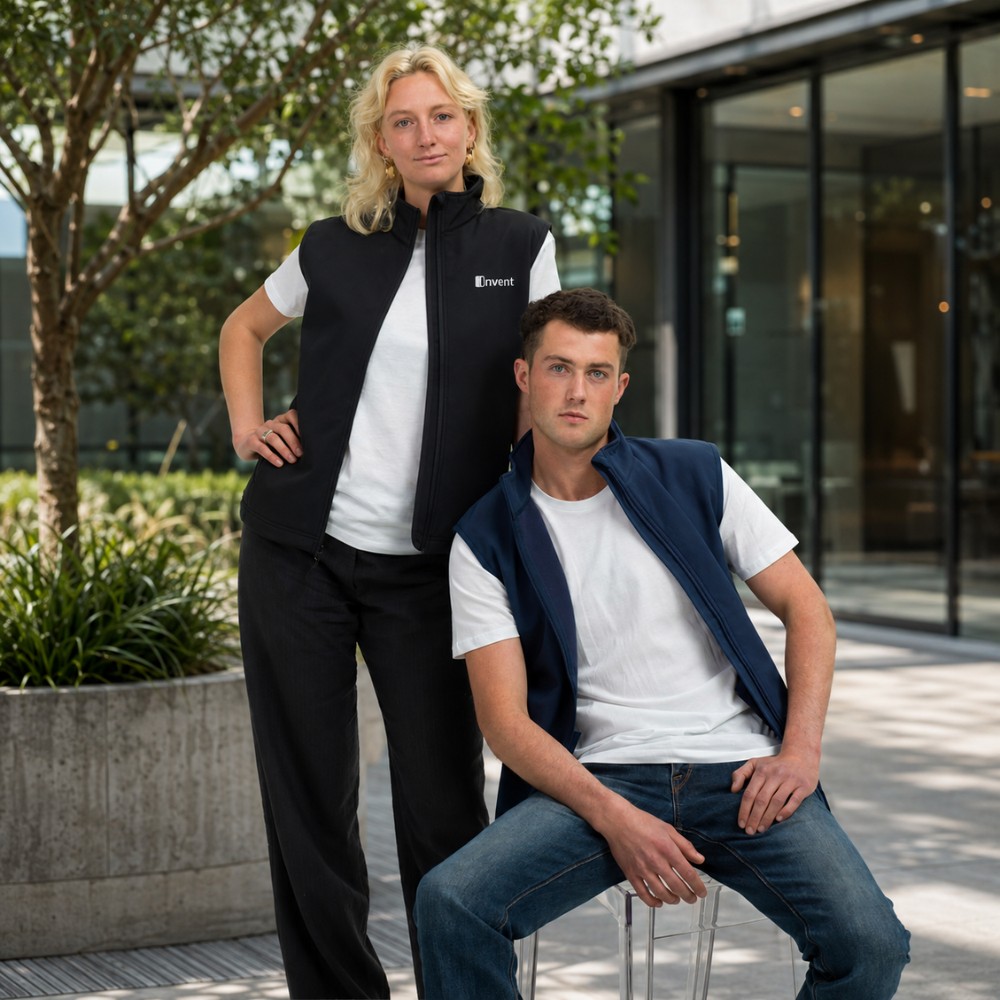
| Corporate and professional services | Business shirts, polos, vests and softshell jackets | Professional appearance, comfort and subtle branding |
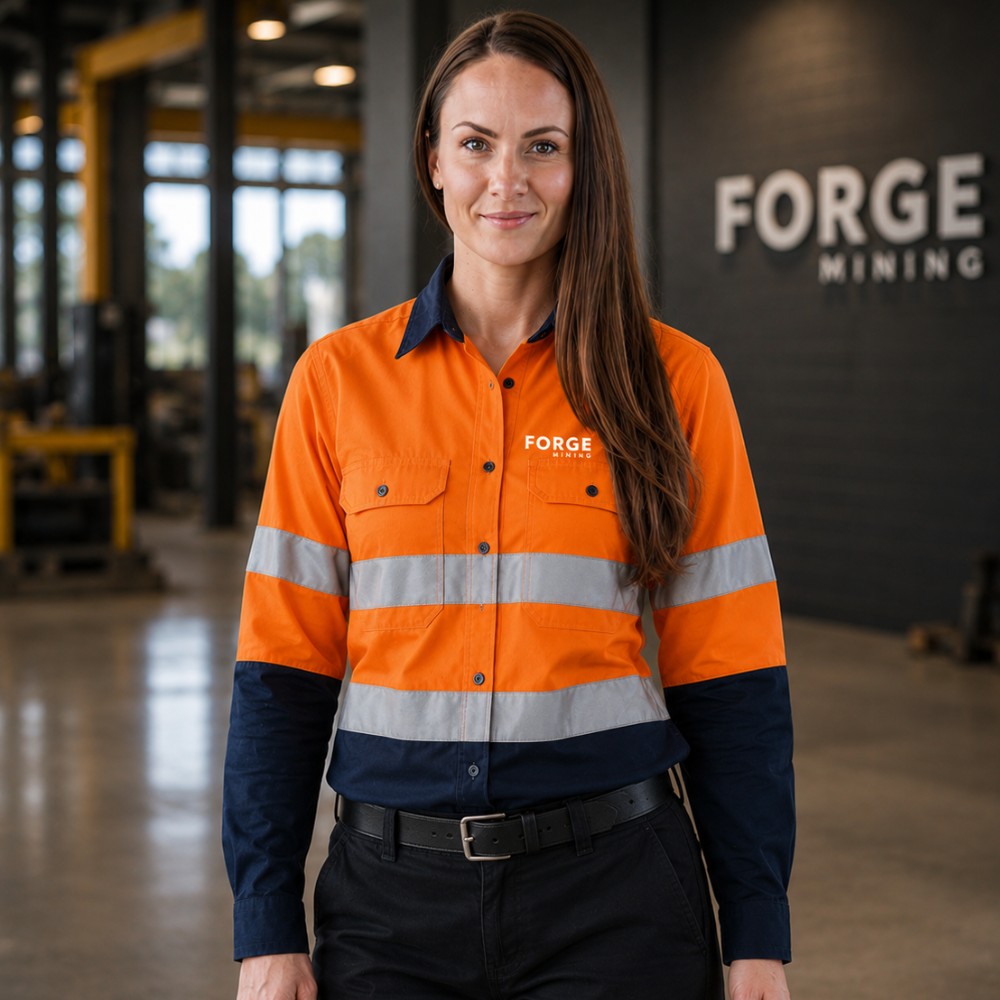
| Construction and trades | Work shirts, hi-vis garments, jackets and sun-safe headwear | Durability, safety, visibility and outdoor conditions |
| Healthcare and community services | Comfortable polos, easy-care shirts, jackets and role-specific garments | Comfort, movement, frequent washing and easy identification |
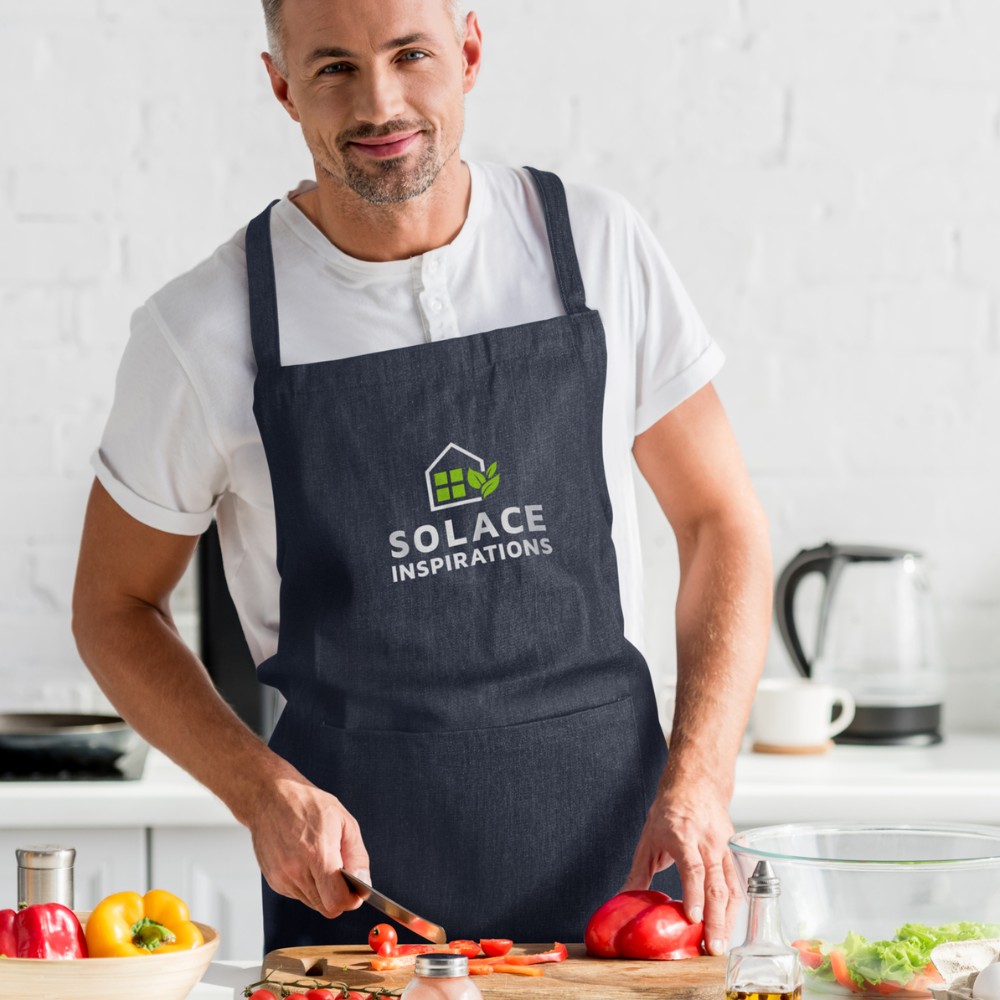
| Hospitality | Polos, T-shirts, button-up shirts, aprons and caps | Heat, stains, washing frequency and comfort |
| Retail and customer service | Polos, tees, shirts, overshirts and lightweight jackets | Brand consistency, comfort and staff visibility |
| Events and activations | T-shirts, polos, caps, jackets and weather-ready layers | Strong identification, portability and short-term staffing |
| Warehousing and logistics | Durable polos, work shirts, vests, jackets and work pants | Movement, temperature changes and garment durability |
The garments can vary while maintaining consistency through colour, logo placement and overall style.
Choose garments based on the job role
The most effective company uniforms are built around what employees actually do each day.
Polo shirts
Branded polo shirts are one of the most versatile staff uniform options. They sit between a casual T-shirt and a formal business shirt, making them suitable for offices, showrooms, retail teams, events, field staff and customer-facing roles.
Polos are available in cotton, polyester, blended fabrics, recycled materials and performance options.
Business shirts
Embroidered business shirts suit professional services, sales teams, management, hospitality and client-facing environments where a more formal appearance is required.
Look for wrinkle-resistant or easy-care fabrics when employees travel or need to maintain a polished appearance throughout the day.
Explore branded Business Shirts
T-shirts
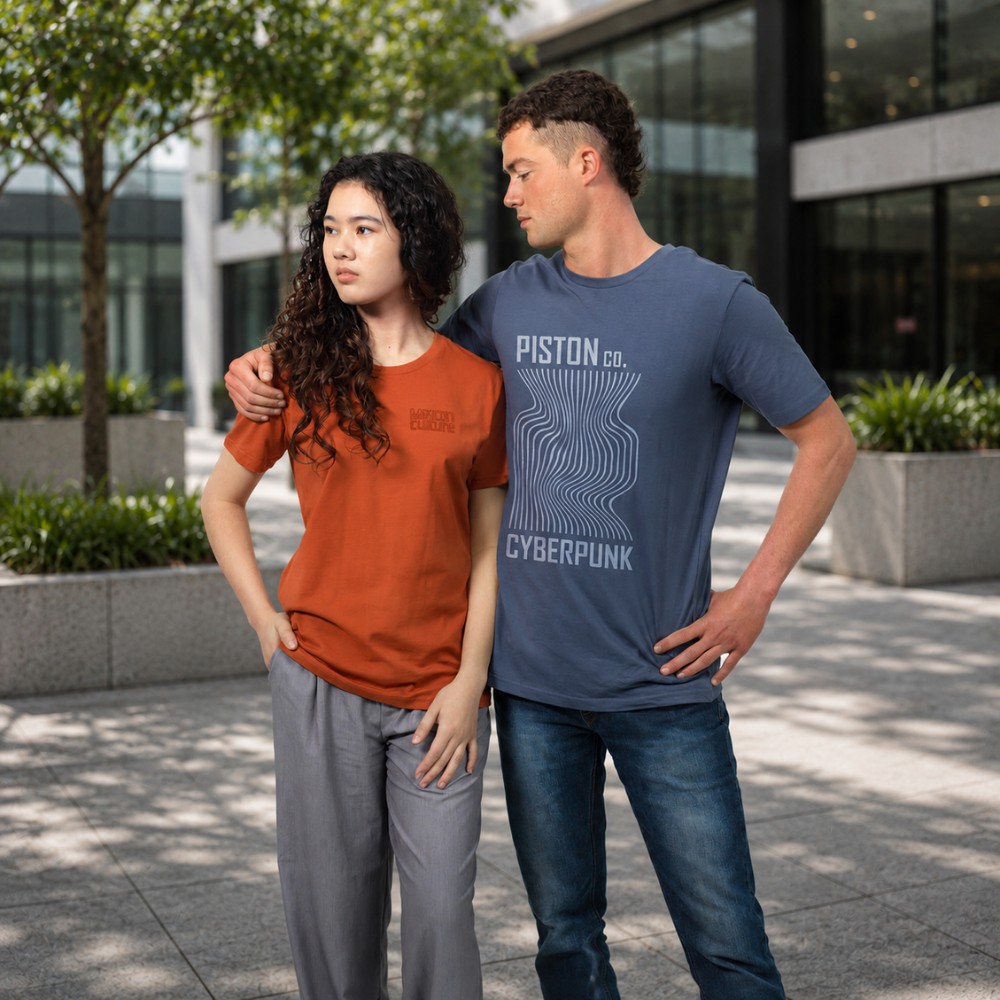
Branded T-shirts work well for casual workplaces, events, hospitality, retail teams and internal initiatives.
They also allow greater flexibility with larger artwork and more creative decoration than traditional corporate clothing.
Jackets and Vests
A uniform range should account for temperature changes and seasonal conditions.
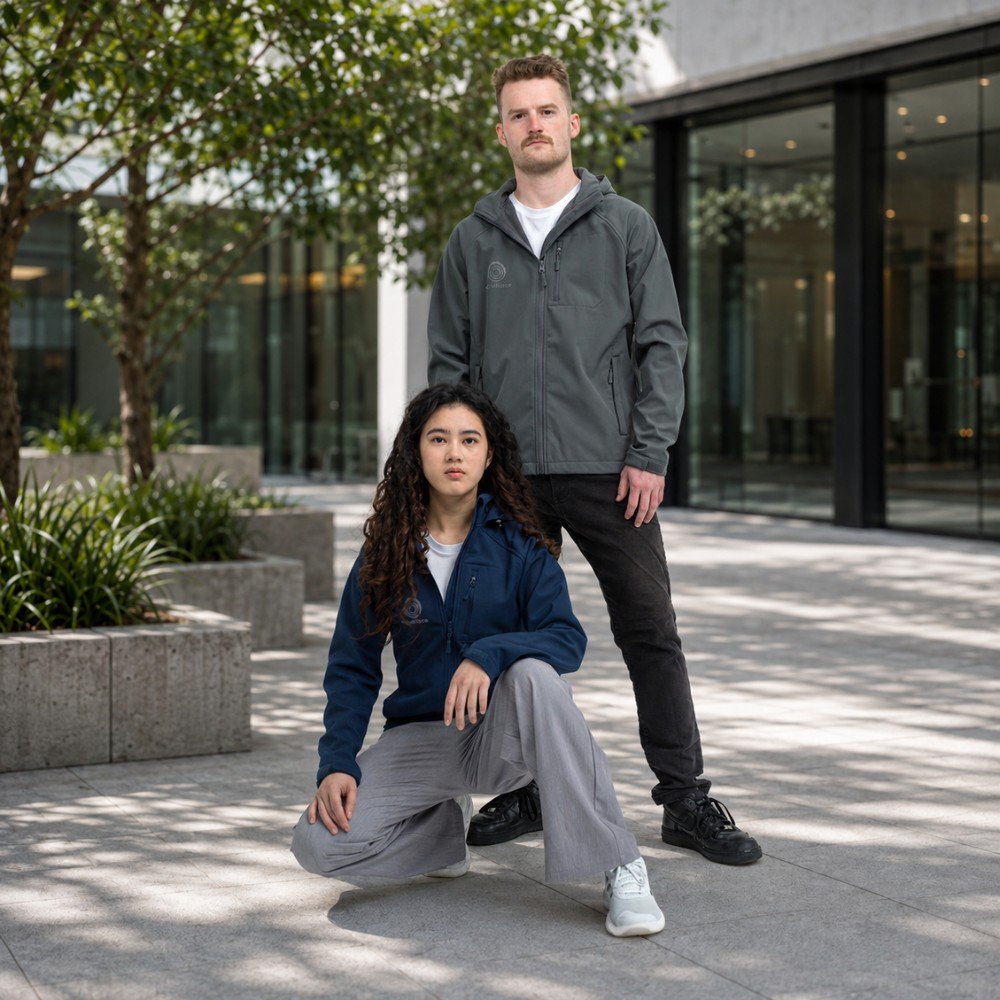
Softshell jackets, puffer jackets, fleece layers, vests and hoodies can help maintain a consistent appearance when staff need additional warmth. Choose outerwear that can be worn comfortably over the other garments in the range.
Hi-Vis Workwear
Workwear must be selected around the tasks, conditions and hazards employees encounter.
Ordinary clothing and uniforms that are not designed for personal protection are not considered personal protective equipment. Where PPE is required, Australian businesses must ensure it is suitable for the worker and the task, reasonably comfortable and supported by appropriate training and maintenance procedures.
Explore custom Hi-Vis Workwear
Consider sun protection for outdoor teams
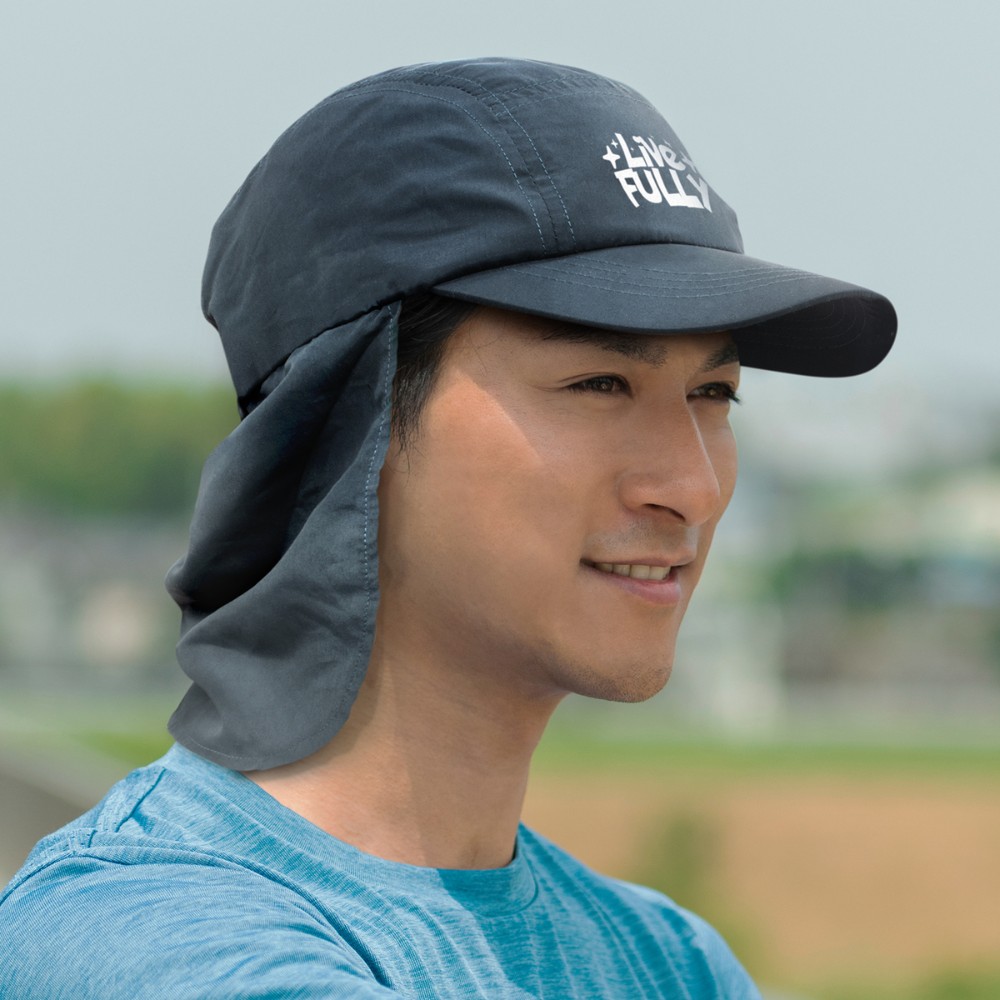
Uniforms for outdoor employees should be chosen with sun exposure in mind.
Long sleeves, collars, appropriate fabrics and greater body coverage can provide a stronger physical barrier against ultraviolet radiation. Cancer Council notes that garment design matters alongside the fabric’s UPF rating, with long sleeves, collars and longer garment lengths covering more skin.
Cancer Council also advises that clothing rated above UPF 15 provides good UV protection, although the UPF rating applies to the fabric rather than automatically accounting for the garment’s overall design and coverage.
For outdoor teams, consider:
- Long-sleeved work shirts
- UPF-rated garments
- Collared shirts
- Lightweight and breathable fabrics
- Wide-brimmed hats
- Seasonal layering
- High-visibility requirements where applicable
Sun-protective clothing should form part of a broader workplace sun-safety approach rather than being treated as the only control.
Get the fit and sizing right
Uniforms will only work when employees feel comfortable wearing them.
Avoid ordering solely from a generic size label. A medium in one garment may fit differently from a medium in another because sizing can vary by style, fabric and cut. Promotion Products recommends comparing measurements against the sizing information for the specific garment being ordered.
Before placing a large order:
- Review the garment’s sizing chart.
- Order samples or a sizing set where possible.
- Let employees try on relevant styles.
- Record each person’s preferred garment and size.
- Allow for different body shapes and fit preferences.
- Confirm whether garments may shrink.
- Keep the sizing information securely for reorders.
A good uniform range may include regular, slim, relaxed, women’s, men’s and unisex fits. The objective is not to force every employee into an identical cut. It is to offer coordinated options that help everyone look consistent and feel comfortable.
Common staff uniform mistakes
Choosing garments without staff input
Employees understand the practical requirements of their roles. Involving a small group in testing can uncover problems before a full order is produced.
Ordering one style for every employee
Different roles, body types and working conditions may require different garments. Consistency can come from colour and branding rather than identical cuts.
Using unsuitable fabric
A heavy cotton shirt may be uncomfortable for an active outdoor worker. A lightweight performance polo may feel too casual for a formal client-facing role.
Making the logo too large
Oversized branding can make an otherwise premium garment feel promotional rather than professional.
Ignoring future reorders
A uniform built around a short-term or difficult-to-source garment can create consistency problems when new employees join.
Skipping samples and size testing
Small sizing issues become expensive when repeated across an entire team.
Treating safety clothing as ordinary apparel
Where workwear performs a protective or visibility function, check the relevant workplace requirements and product standards before ordering.

Staff uniform buying checklist
Before approving your company uniforms, confirm:
- The garments suit each employee’s role.
- The fabric suits the working environment.
- Staff have appropriate fit and size options.
- Samples or sizing garments have been reviewed.
- The colour works with your brand.
- Logo placement is clear and wearable.
- The decoration method suits the fabric.
- Any relevant safety requirements have been checked.
- Seasonal garments have been considered.
- You have allowed enough garments for washing.
- Replacement and new-starter stock has been planned.
- The range can be reordered reliably.
- Artwork and product details are documented.
- Production and delivery timelines suit your deadline.

FAQs
Q: What are the best staff uniforms for Australian businesses?
A: The best uniform depends on the employee’s role and work environment. Polos are a versatile choice for many businesses, while business shirts suit more formal teams. Outdoor, trade and industrial workers may require durable workwear, hi-vis garments and sun-protective clothing.
Q: What material is best for staff uniforms?
A: Cotton is soft and breathable, polyester is durable and quick-drying, and blended fabrics provide a balance of comfort and easy care. Moisture-wicking performance fabrics are useful for active roles and warmer environments.
Q: Is embroidery or printing better for uniforms?
A: Embroidery is generally best for professional polos, business shirts, jackets and caps. Printing works well for T-shirts, hoodies and larger artwork. Transfers can accommodate detailed designs, names and numbers, while sublimation is useful for fully custom polyester garments.
Q: How many uniforms should each employee receive?
A: common starting point for full-time employees is three to five tops, two to three bottoms and one or two outerwear garments. The final quantity should reflect working days, washing frequency, climate and how quickly garments become dirty.
Q:Where should a logo go on a staff uniform?
A: The left chest is the most common location for professional uniforms. Sleeves, upper backs, front centres and subtle woven labels can also work depending on the garment and the desired brand style.
Q: How long do branded staff uniforms take to produce?
A: Production time varies depending on garment availability, order size, decoration method, personalisation and delivery location. Stock garments with standard branding are generally faster than fully custom uniforms. Allow additional time for samples, sizing, artwork approval and freight.
Q: Can employees wear different uniform styles?
A: Definitely. Employees can wear different garments while maintaining a consistent appearance through colour, branding and styling. This approach can better accommodate different roles, body shapes, climates and personal preferences.
Choose staff uniforms your team will actually wear
The right staff uniforms balance brand presentation with real-world practicality.
Start with the employee’s role. Select comfortable garments suited to the environment, test sizing, choose durable branding and plan for replacements before placing the first order.
Promotion Products has helped Australian organisations source branded apparel, corporate clothing, workwear and team uniforms since 2004. Our merchandise specialists can help you compare garments, arrange samples, select the right decoration method and manage production and Australia-wide delivery. Promotion Products also provides free artwork proofs, carbon-offset products and a tree planted with every order.
Real people, real help. Speak with Promotion Products about creating staff uniforms that look professional, feel comfortable and represent your brand properly.
Request staff uniform ideas and a quote from our merchandise experts today!
The Power of Referrals: How To Turn Customers Into Brand Advocates
Word of mouth is one of the most powerful ways to grow a business. A…
How to Choose the Right Staff Uniforms for Your Business
The right staff uniform should suit the employee’s role, working environment, climate and daily tasks…
Mastering a Conference: 15 Practical Tips for Exhibitor Success
Quick answer: to succeed at a conference, set clear goals, understand your audience and create…
How to Build a Successful Employee Milestone and Recognition Merchandise Program
Quick answer An employee milestone and recognition merch program is a planned system for gifting…

Employer Branding: How to Build a Strong Workplace Culture
A strong employer brand is not created by a polished careers page, a clever recruitment…
Best Promotional Products for Education, Schools and Universities
Whether you’re kitting out a school, running Orientation Week or building a merchandise range for…

Marketing Coordinator at Promotion Products. Eve holds a Bachelor’s Degree in Business and Marketing. She combines creativity and strategy to help brands make a lasting impression through thoughtful merchandise. Passionate about creating community through merch, storytelling and design, Eve oversees everything from campaign planning to content creation – championing merchandise as the powerful marketing medium it is.